Published At: 19 May 2026
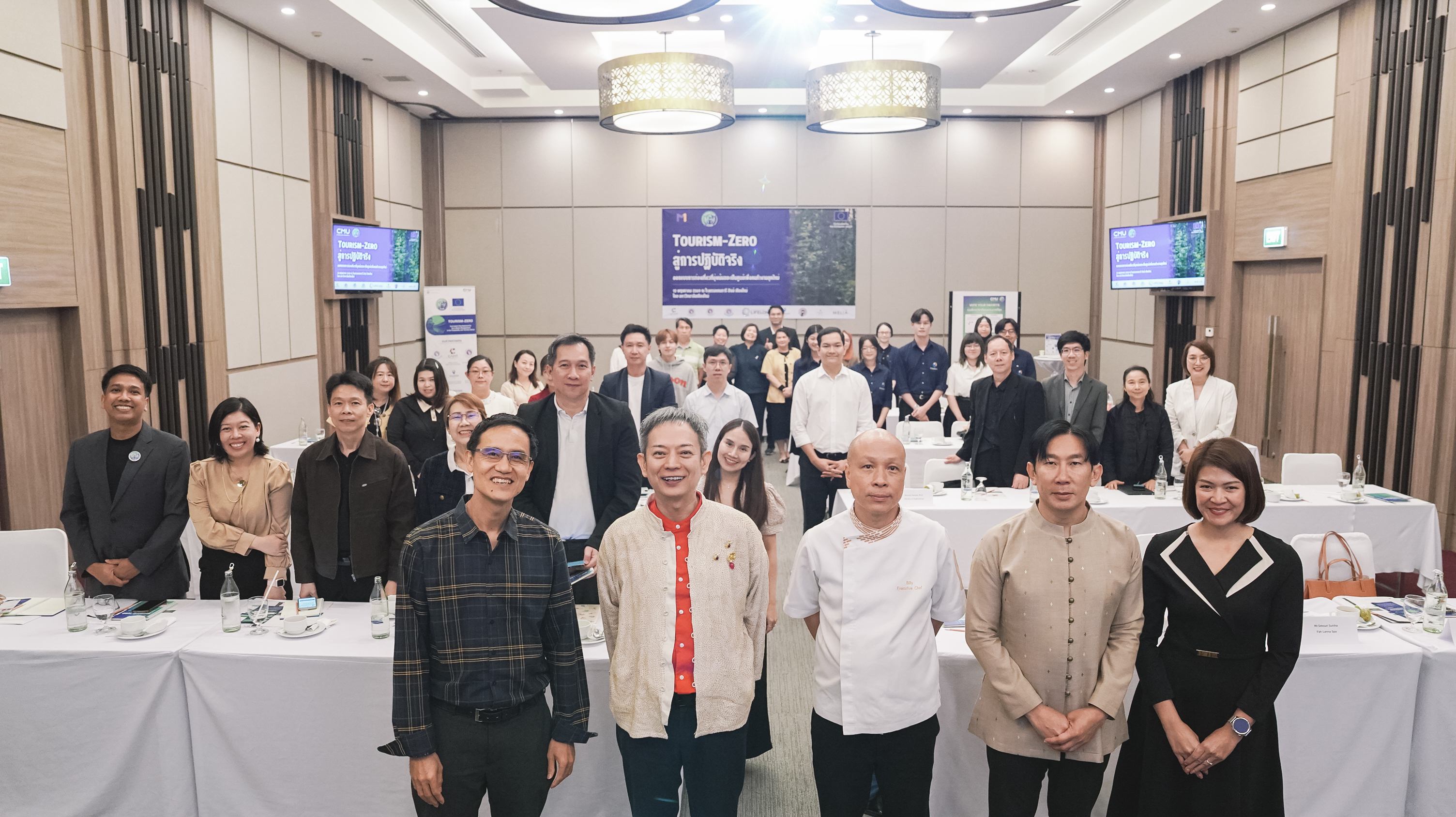
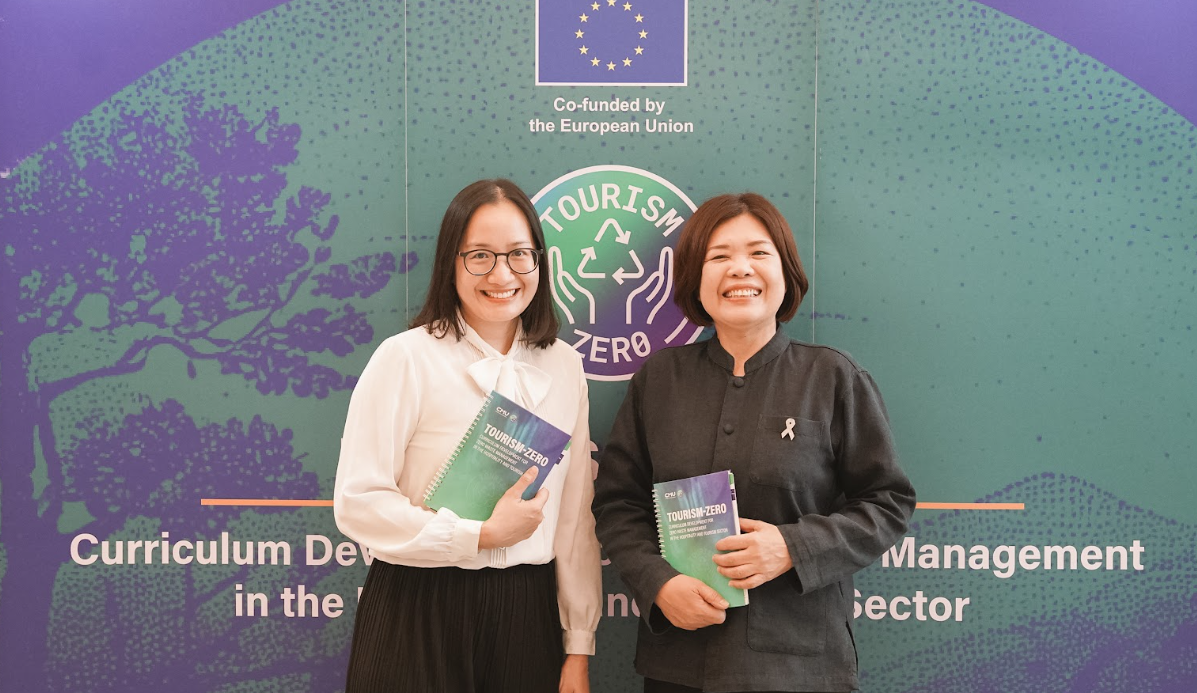
The College of Arts, Media and Technology (CAMT), in collaboration with the Department of Tourism, Faculty of Humanities, Chiang Mai University, is set to organize an academic forum entitled “Tourism-Zero in Action: Designing Zero-Waste Tourism for the Future Workforce.” The event aims to promote the concept of Zero-Waste Tourism and strengthen future workforce skills within the tourism and hospitality industries. The forum will be held on Wednesday, 13 May 2026, at Doi Luang Conference Room, 2nd Floor, Kantary Hills Hotel, Chiang Mai, under the Tourism-Zero project, funded by the European Union through the Erasmus+ Capacity Building in Higher Education Programme.
The forum represents a significant academic and professional platform that seeks to bridge higher education, industry practices, and environmental sustainability in response to the rapidly changing global tourism landscape. As environmental concerns, climate change, and resource management become increasingly urgent worldwide, the tourism sector is under growing pressure to adopt sustainable operational models that minimize environmental impacts while maintaining economic growth and social responsibility.
The Tourism-Zero initiative has therefore been developed to encourage tourism stakeholders to rethink conventional tourism management approaches and transition toward sustainable tourism systems that emphasize waste reduction, circular economy principles, and environmentally responsible practices.
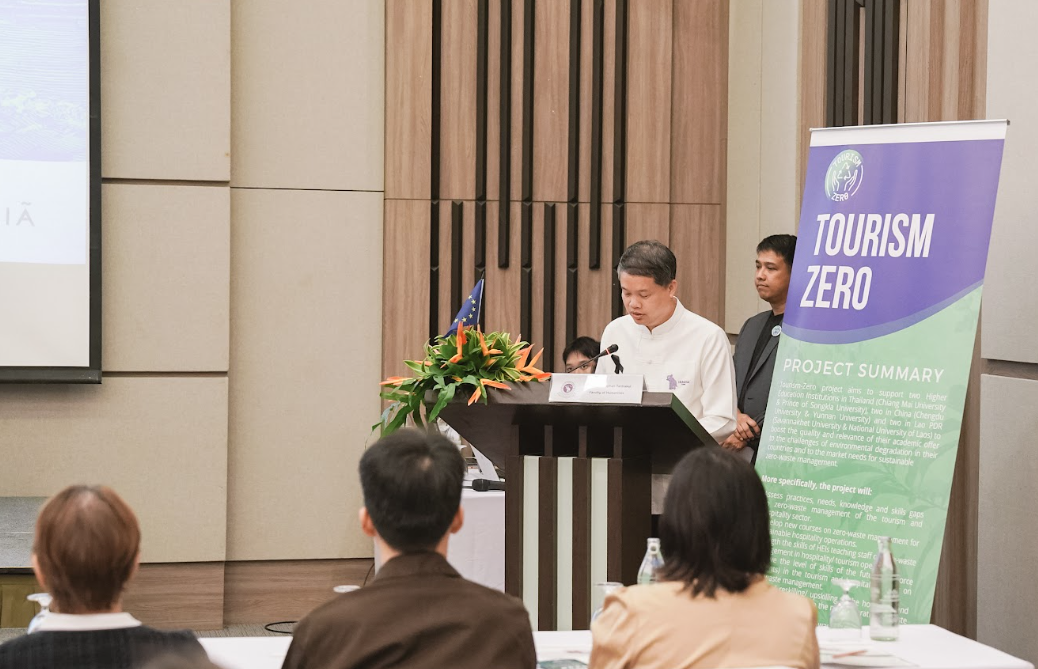
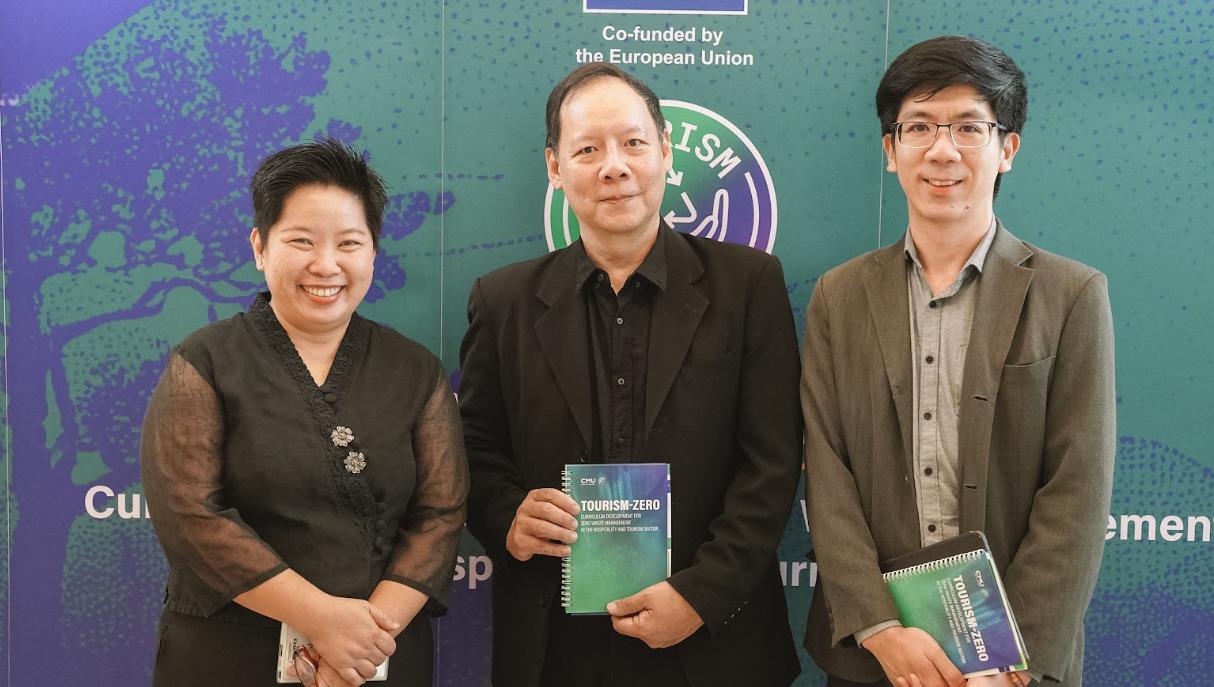
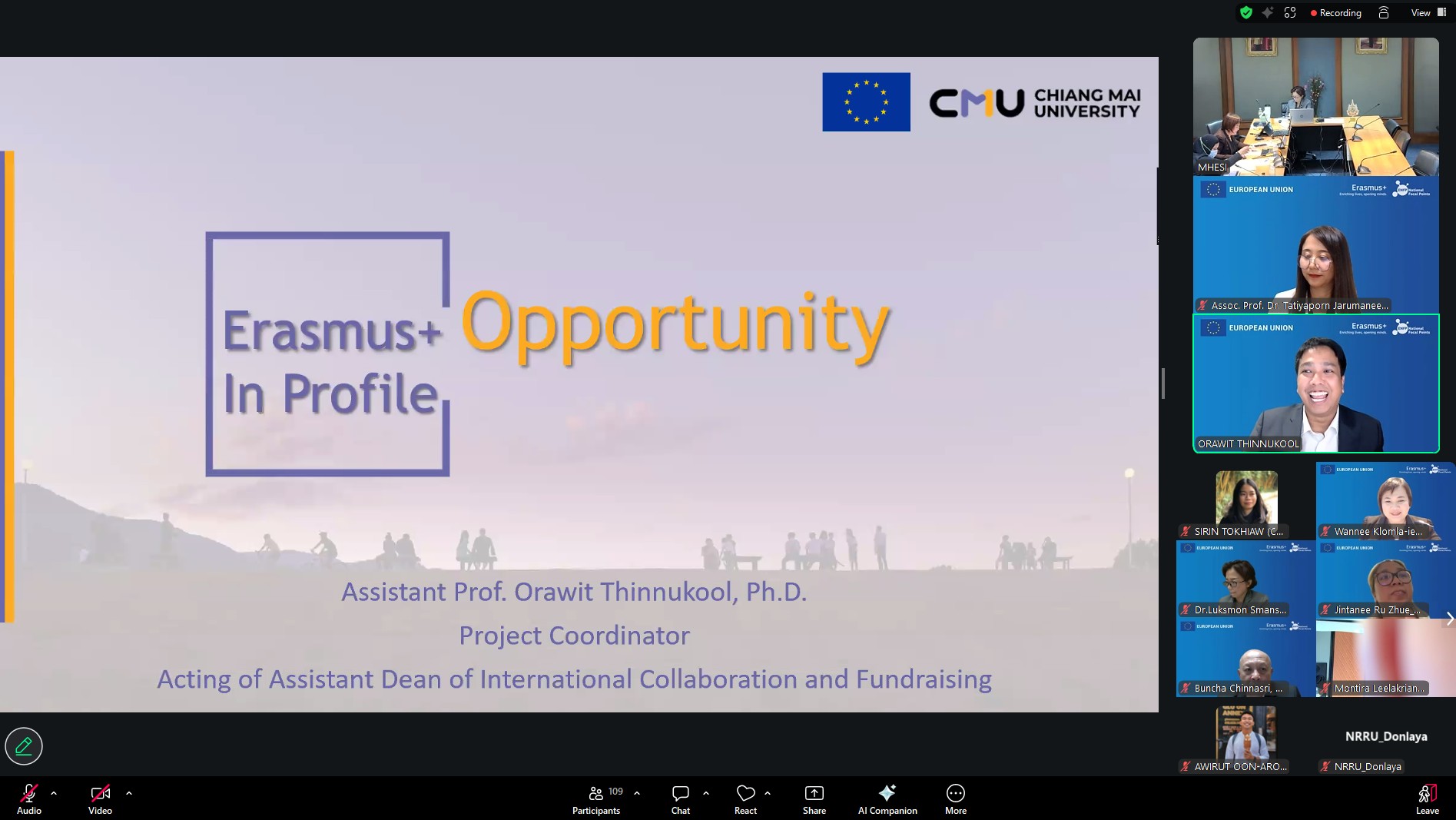
During the event, Assistant Professor Dr. Orawit Thinnukool, Head of the Tourism-Zero Project from the College of Arts, Media and Technology, Chiang Mai University, will welcome participants and present an overview of the project, including international directions in sustainable tourism development. The presentation will also highlight Chiang Mai University’s role in advancing education, research, and collaboration with industry partners to support the transition toward a Green Economy and modern tourism practices that emphasize environmental responsibility, social sustainability, and workforce skills aligned with rapidly evolving technological trends. In addition, the session will demonstrate how interdisciplinary collaboration between academia, government agencies, and private enterprises can strengthen regional tourism resilience and prepare future graduates for emerging sustainability-related careers.
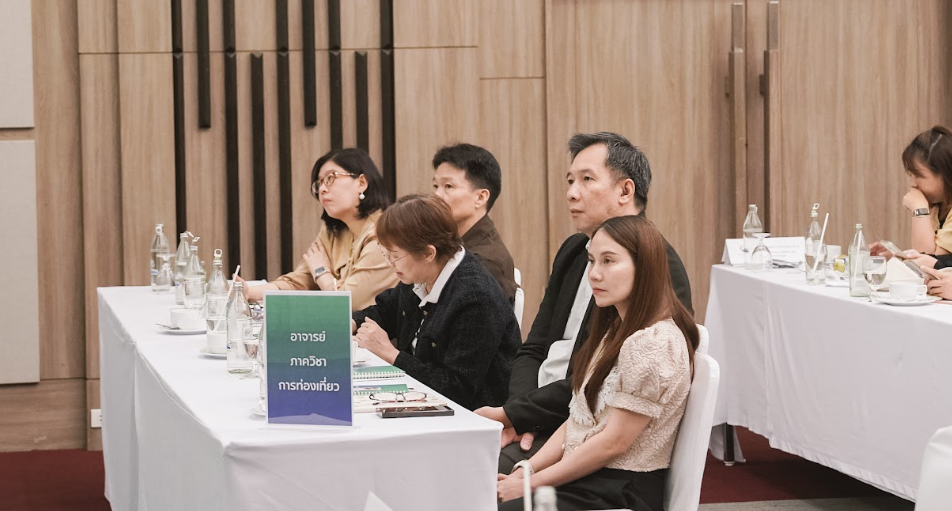
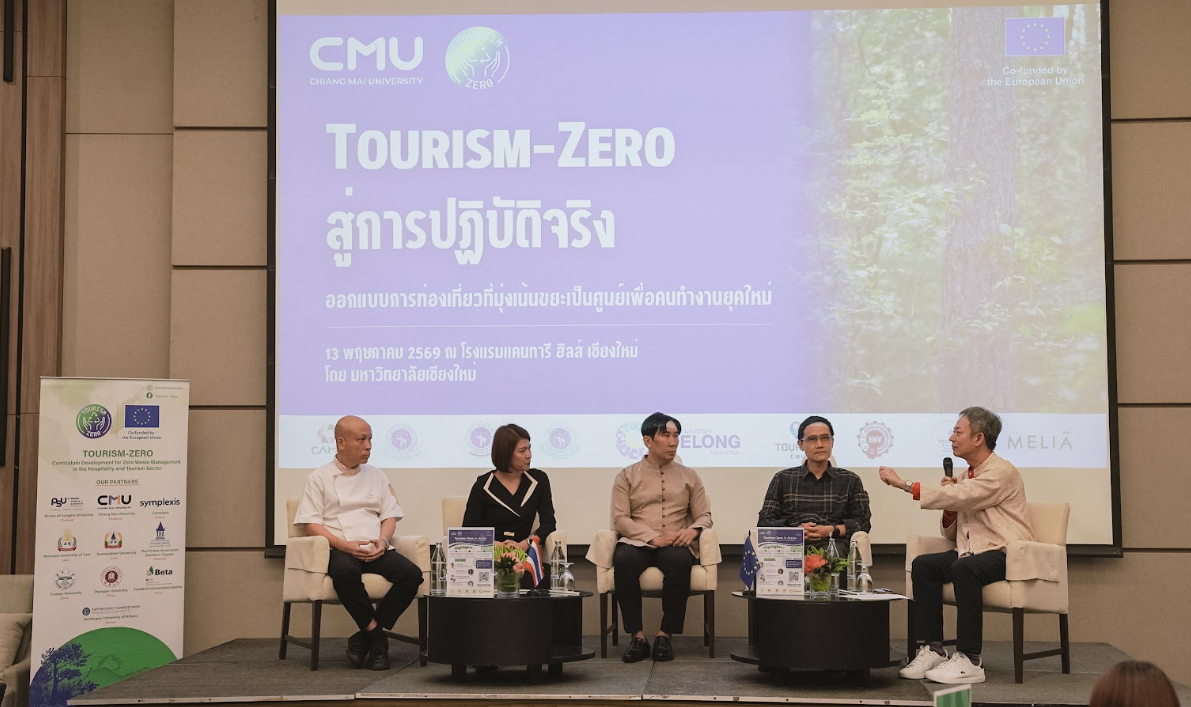
heir participation reflects the integration of humanities, technology, and environmental disciplines in preparing tourism professionals to adapt to rapidly changing global challenges. The collaboration among multiple faculties further demonstrates Chiang Mai University’s strategic commitment to producing graduates equipped with both theoretical understanding and practical competencies necessary for sustainable development in the tourism and hospitality industries.
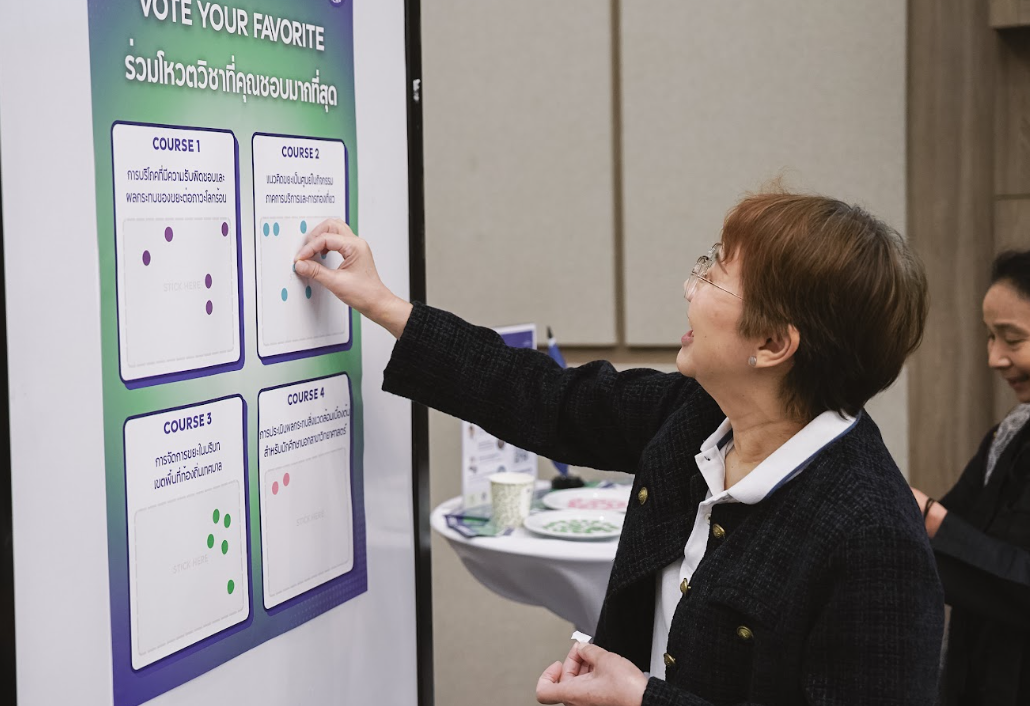
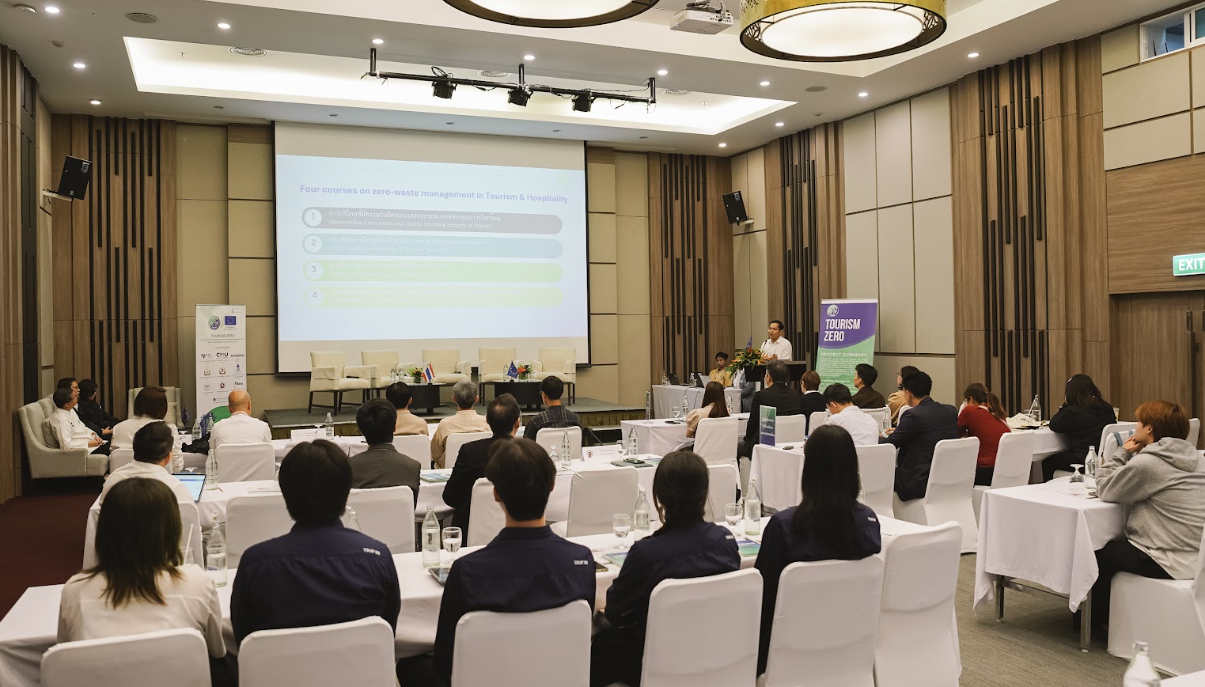
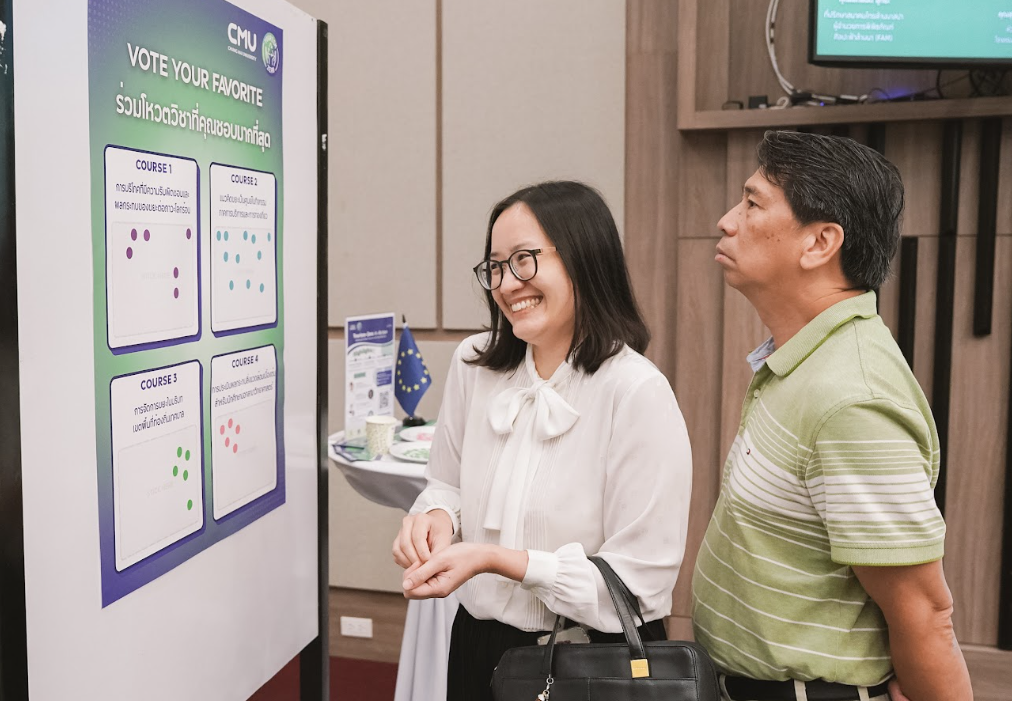
One of the key highlights of the event is the introduction of four Tourism-Zero courses designed to equip students, tourism personnel, and hospitality entrepreneurs with new knowledge and practical competencies related to sustainability and environmental management. The courses will be presented by Assistant Professor Dr. Patiroop Pholchan and Dr. Anuchit Sonwai from the Department of Environmental Engineering, Faculty of Engineering, Chiang Mai University. The curriculum covers responsible consumption, the impacts of waste on global warming, zero-waste concepts in tourism and hospitality operations, local municipal waste management, and basic environmental impact assessment for non-science students. These courses are expected to support both academic learning and professional training by integrating environmental literacy into tourism education frameworks and operational decision-making processes.
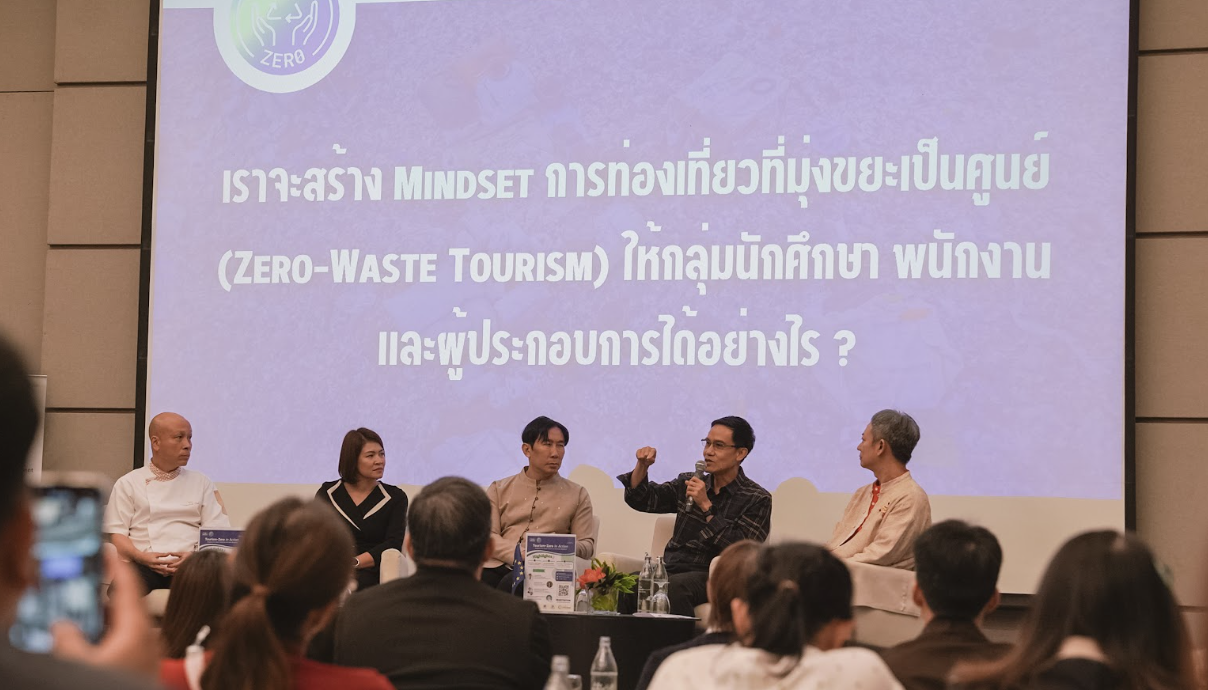
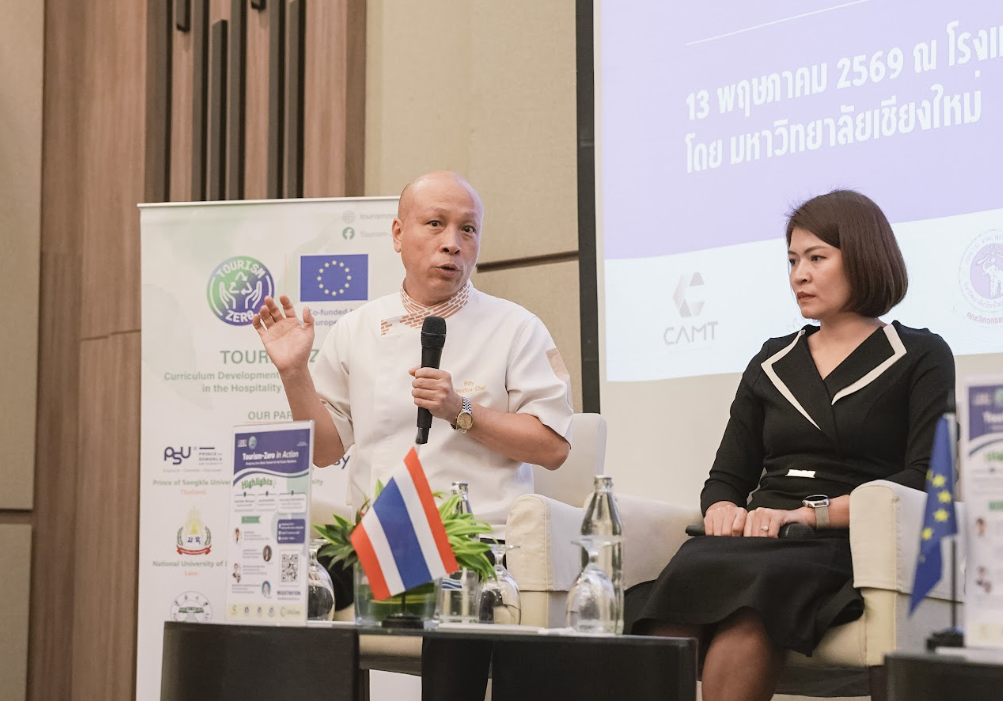
The panel discussion will focus on critical issues such as workforce skill gaps in the tourism industry, the adaptation of hospitality businesses toward sustainability-oriented practices, and real-world case studies from leading organizations in Chiang Mai, including Melia Chiang Mai and Fah Lanna Spa Chiang Mai. These organizations have successfully integrated environmental concepts into management practices, customer services, and tourism experience design aimed at reducing environmental impacts in practical and measurable ways. The session is also expected to provide recommendations for future tourism workforce development by identifying the skills, competencies, and attitudes required in an era increasingly shaped by environmental regulations, digital transformation, and changing consumer expectations toward sustainable travel experiences.
Ultimately, the “Tourism-Zero in Action” forum reflects Chiang Mai University’s broader vision of positioning higher education as a driving force for sustainable regional development. By fostering collaboration among educators, industry professionals, policymakers, and students, the project aims to strengthen awareness of environmental responsibility while creating practical pathways for sustainable innovation in tourism. The event also reinforces the importance of preparing future tourism professionals who are capable of balancing economic growth with environmental stewardship and social sustainability in both local and global contexts.