Published At: 23 Jan 2026
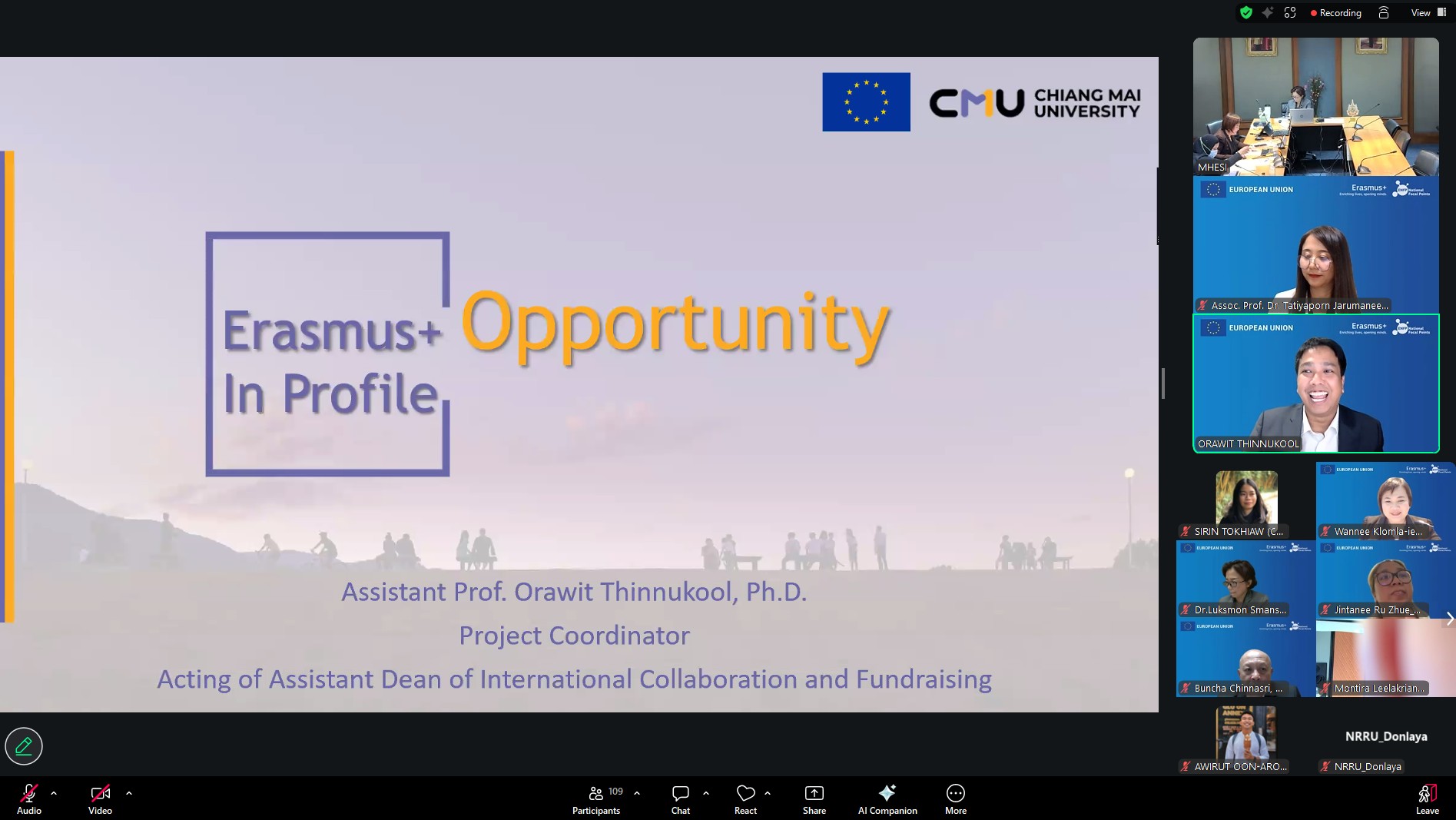
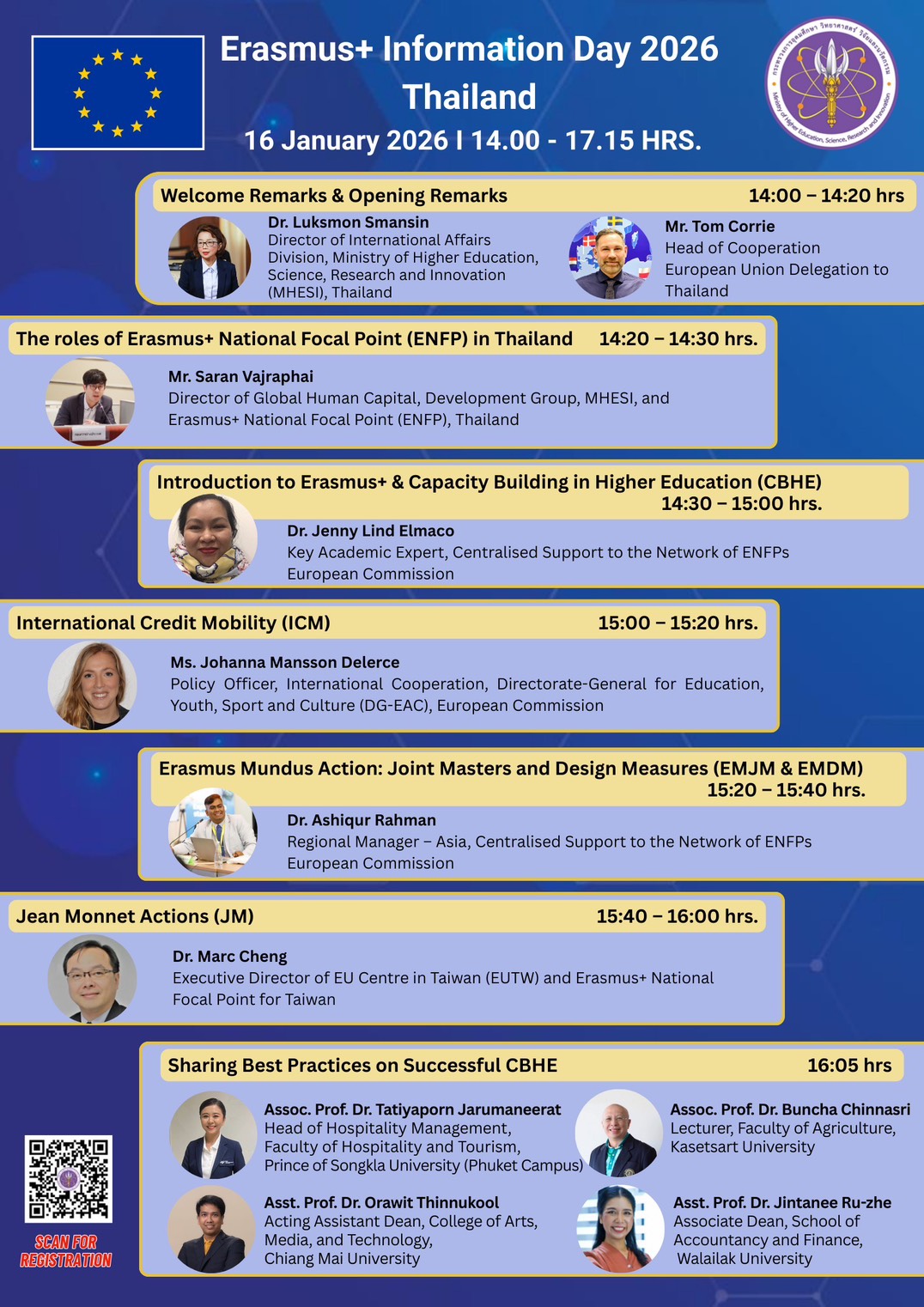
The Erasmus+ Information Day 2026 in Thailand served as an important platform for sharing knowledge, experiences, and best practices related to EU-funded projects. Dr. Orawit’s participation in the session on successful CBHE implementation provided practical insights into project management, cross-border collaboration, and sustainable impact. His presentation highlighted how Erasmus+ projects can function not merely as funding mechanisms but as strategic instruments for institutional transformation, innovation in teaching and learning, and internationalization of higher education.
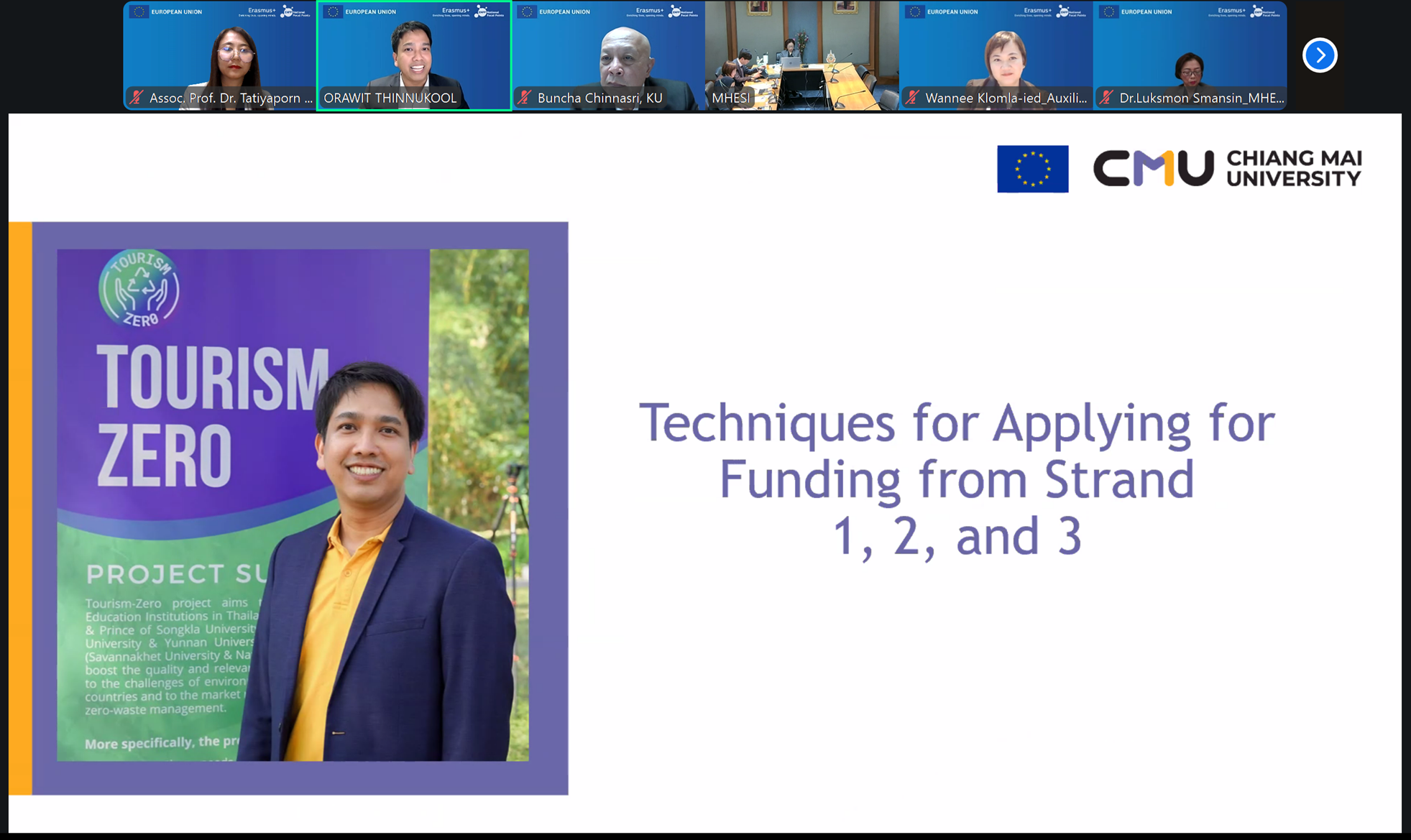
In addition, Dr. Orawit served as Project Manager in the Erasmus+ CBHE project Innovative Curricula for Lifelong Learning of Sustainable Tourism Workforce (INNO4Tourism, 2021–2023). This project focused on strengthening academic and administrative capacities in Thai and Lao universities through the development of innovative, learner-centred curricula in sustainable tourism. Key outcomes included improved employability of students and graduates, enhanced university–business cooperation mechanisms, and the implementation of digital and student-centred teaching approaches. The project also fostered long-term collaboration between European and Asian universities, facilitating knowledge transfer and the alignment of higher education with labour market needs.
Another significant initiative under Dr. Orawit’s leadership is the Erasmus+ project Advancing Strategic Management, Leadership and Fundraising in Higher Education in Asia (ASTRA, 2019–2022), where he served as Project Manager. This project aimed to strengthen institutional leadership, governance, and fundraising capacity in Asian universities by integrating European best practices into university management systems. Through training programmes, strategic planning workshops, and cross-regional collaboration, the project enhanced institutional resilience and innovation capacity in higher education institutions across Asia.
Dr. Orawit Thinnukool has played a significant role in advancing international cooperation between Thai higher education institutions and the European Union through active engagement in Erasmus+ initiatives. His involvement in EU-funded projects reflects a strategic approach to strengthening institutional capacity, enhancing academic quality, and fostering sustainable international partnerships. Through his leadership and academic expertise, he has contributed to the design, implementation, and dissemination of several Erasmus+ activities that align with both European and Thai higher education development priorities.
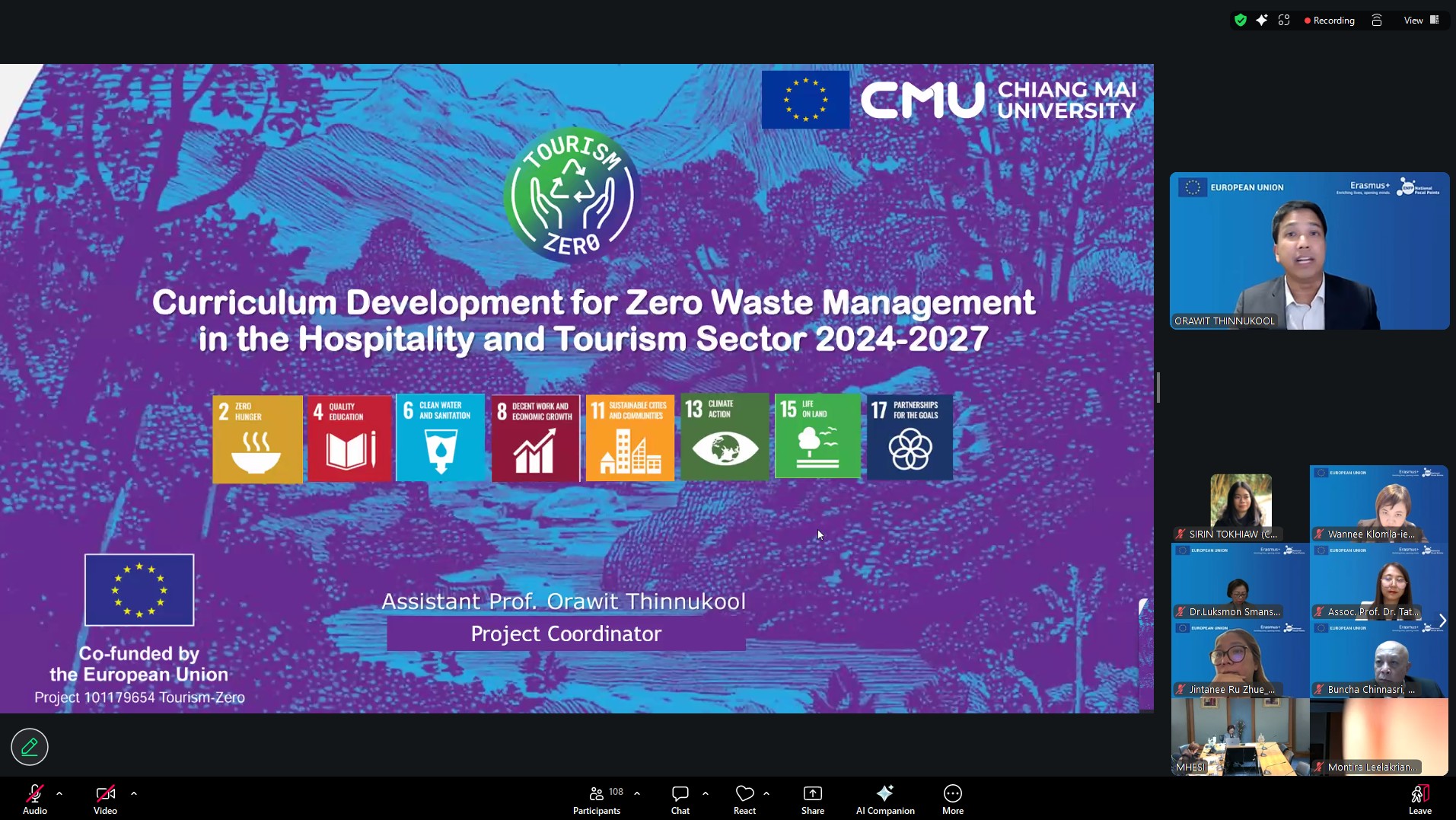
One of his key areas of contribution lies in the Capacity Building in Higher Education (CBHE) framework, where he participated in collaborative projects involving universities from Thailand and multiple European countries. These projects focused on curriculum modernization, digital transformation in teaching and learning, and the integration of innovative pedagogical models. Under this framework, interdisciplinary modules were developed to respond to emerging societal and technological challenges, while joint academic workshops and training programs were organized to enhance the competencies of faculty members in areas such as digital learning design, research methodology, and international academic standards. The outcomes of these projects not only improved academic programs but also strengthened institutional governance and quality assurance mechanisms.
Dr. Orawit has also been involved in initiatives related to International Credit Mobility (ICM), which aim to promote academic mobility among students and staff between Thai universities and European partner institutions. Through these mobility schemes, students gained opportunities to study in European universities, while academic staff engaged in teaching, research collaboration, and professional development abroad. These exchanges contributed to the transfer of knowledge, intercultural understanding, and the establishment of long-term research networks, thereby enhancing the global competitiveness of Thai higher education institutions.
In addition, Dr. Orawit contributed to the strategic planning and management of Erasmus+ partnerships by supporting project proposal development, stakeholder coordination, and impact evaluation. His role included aligning project objectives with institutional strategies, ensuring compliance with EU funding requirements, and facilitating collaboration among academic, administrative, and external partners. Furthermore, he supported the dissemination of project results through academic publications, policy dialogues, and institutional platforms, enabling the integration of project outcomes into broader educational policies and practices.