
Home
Chiang Mai University
Innovative research and Computational Science Lab
College of Arts, Media and Technology

NEWS & ACTIVITIES
Strengthens Erasmus+ Proposal Development and Supports Sustainable ASTRA HUP Operations at Chiang Mai University
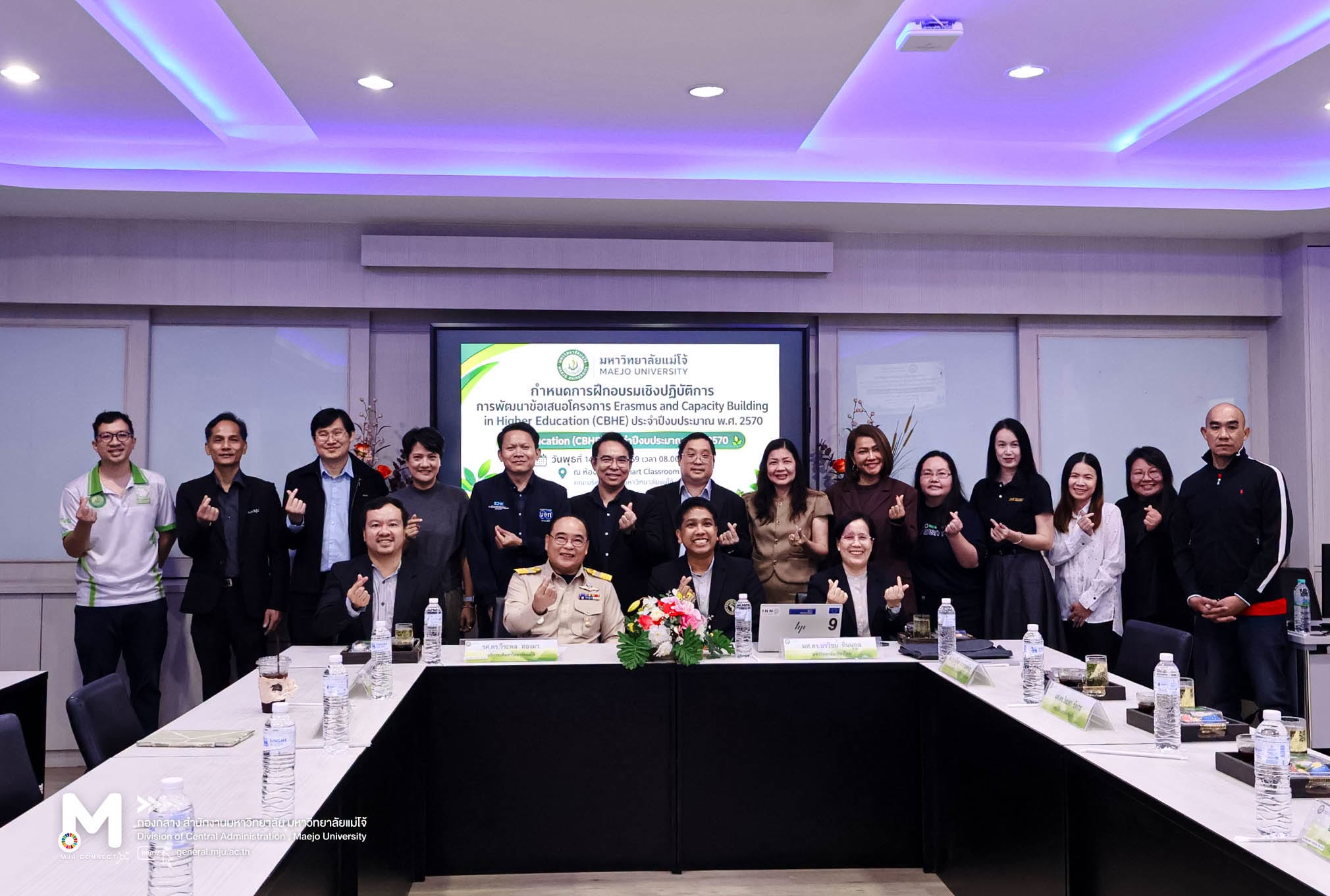
Strengthens Erasmus+ Proposal Development and Supports Sustainable ASTRA HUP Operations at Chiang Mai UniversityMaejo University, through its Faculty of Business Administration in collaboration with the Office of Agricultural Research and Extension, organized the “Erasmus+ CBHE 2027 Proposal Development Workshop: From Project Idea to Competitive Proposal” at the Smart Classroom, Faculty of Business Administration, Maejo University.The workshop was officially opened by Associate Professor Dr. Weerapon Thongma, President of Maejo University, reflecting the university's commitment to strengthening international academic collaboration, institutional capacity building, and access to European Union funding opportunities.The event featured Assistant Professor Dr. Orawit Thinnukool from the College of Arts, Media and Technology, Chiang Mai University (CMU), as the guest speaker. He shared practical knowledge and experience in developing competitive proposals under the Erasmus+ Capacity Building in Higher Education (CBHE) programme, including project conceptualization, partnership development, proposal preparation, and alignment with European Union funding priorities.Beyond enhancing proposal development capabilities, the workshop also contributes to supporting the sustainability of ASTRA HUP operations at Chiang Mai University. Through knowledge transfer, institutional networking, and capacity-building activities, the initiative aims to strengthen the human resources, international partnerships, and project development competencies necessary for sustaining ASTRA HUP's activities and long-term impact.The collaboration between Maejo University and Chiang Mai University further demonstrates the importance of inter-university cooperation in promoting sustainable institutional development. By sharing expertise and encouraging participation in international funding programmes, both institutions can contribute to strengthening the academic ecosystem and creating opportunities for future collaborative projects.The workshop also emphasized the value of transforming innovative project ideas into competitive international proposals, enabling academic institutions to pursue external funding, expand international networks, and establish sustainable mechanisms for research, education, and innovation.This initiative represents an important step toward strengthening Maejo University's internationalization strategy while supporting the continuity, sustainability, and long-term development of ASTRA HUP operations at Chiang Mai University, fostering lasting academic partnerships and institutional resilience.Source: Office of the President, Maejo UniversityOriginal report and photographs: Weerayut SaensukDate: October 14, 2026
08 Oct 2026
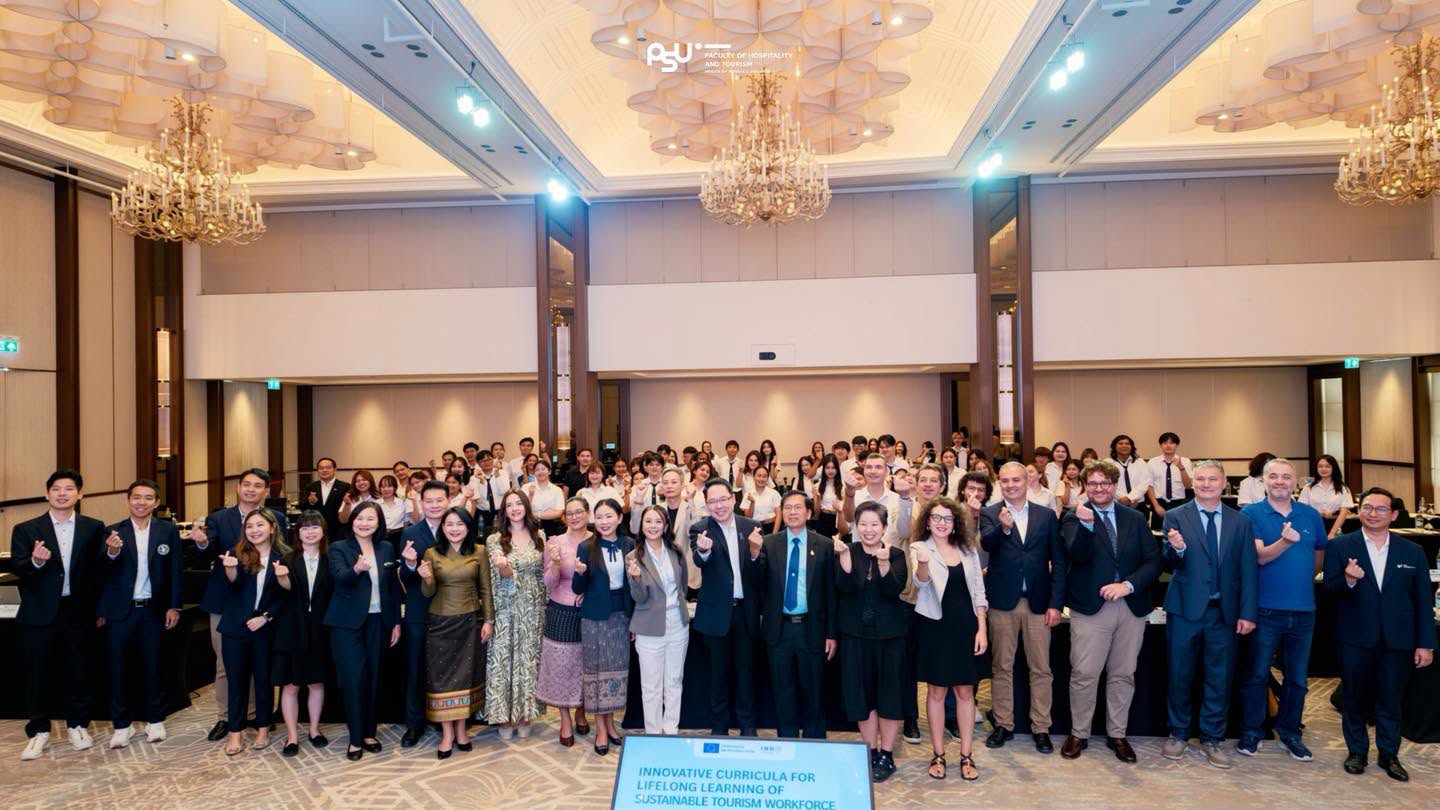
Chiang Mai University Showcases INNO4Tourism Achievements at Final Conference in Phuket, Advancing Sustainable Tourism Education and Workforce Development
16 Sep 2026
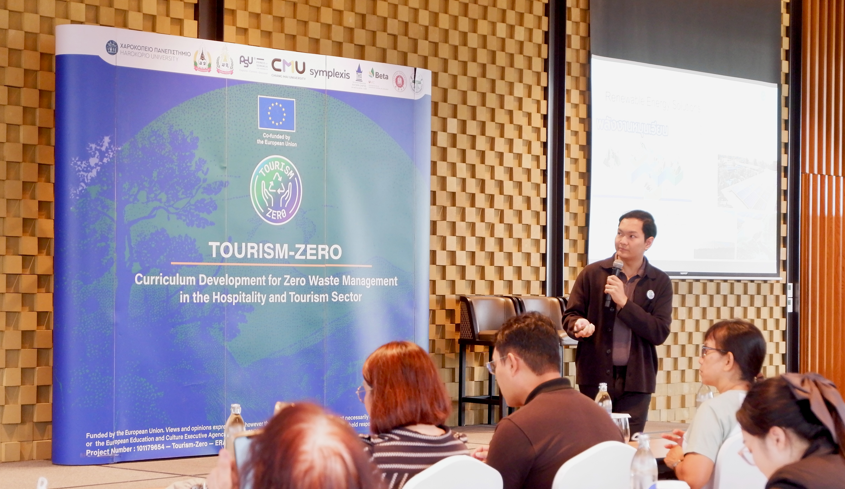
Course Training : TOURISM-ZERO IN ACTION
28 Aug 2026
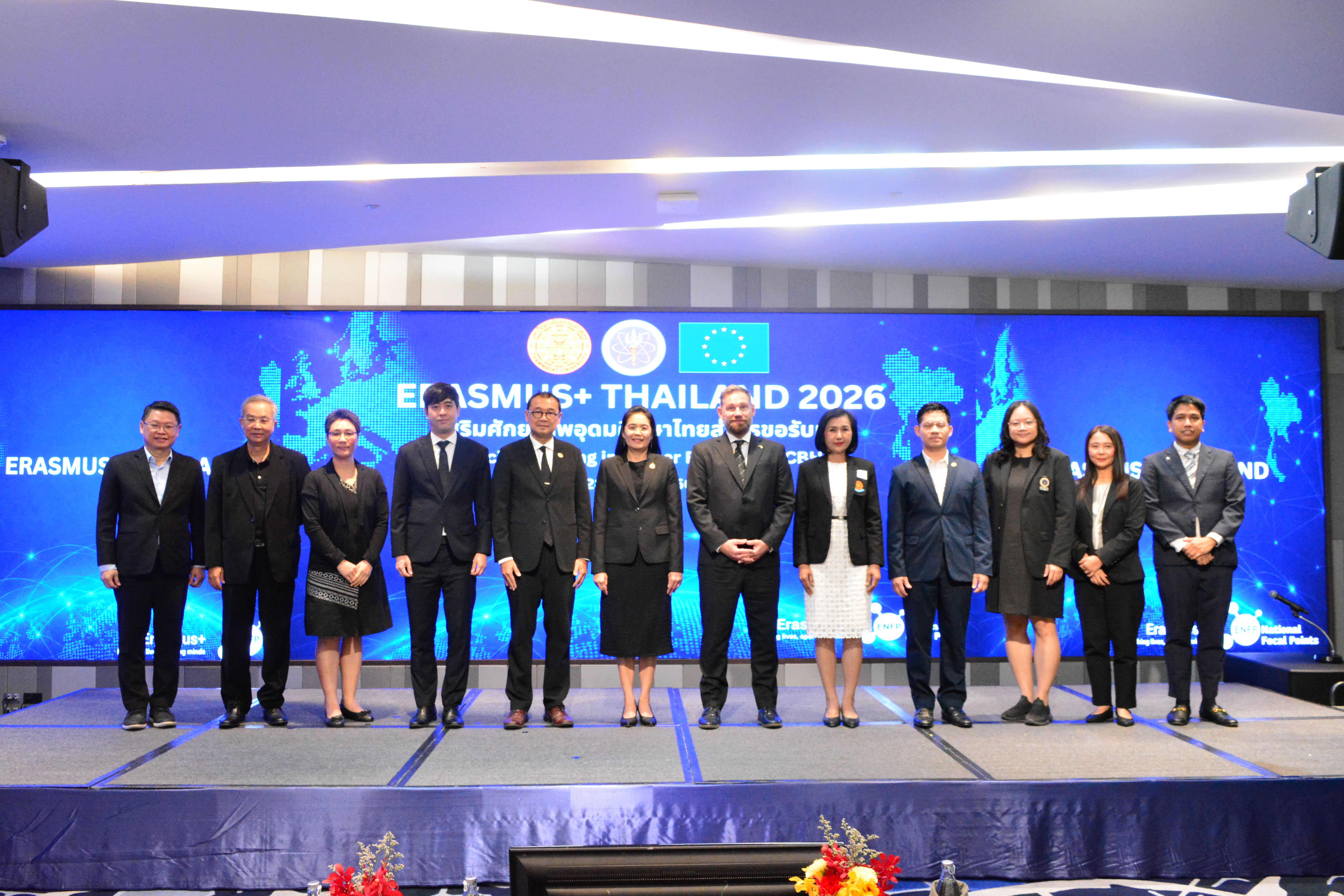
Erasmus+ Thailand 2026: Empowering Thai Higher Education for Scholarship Applications Capacity Building in Higher Education (CBHE)
01 Aug 2026
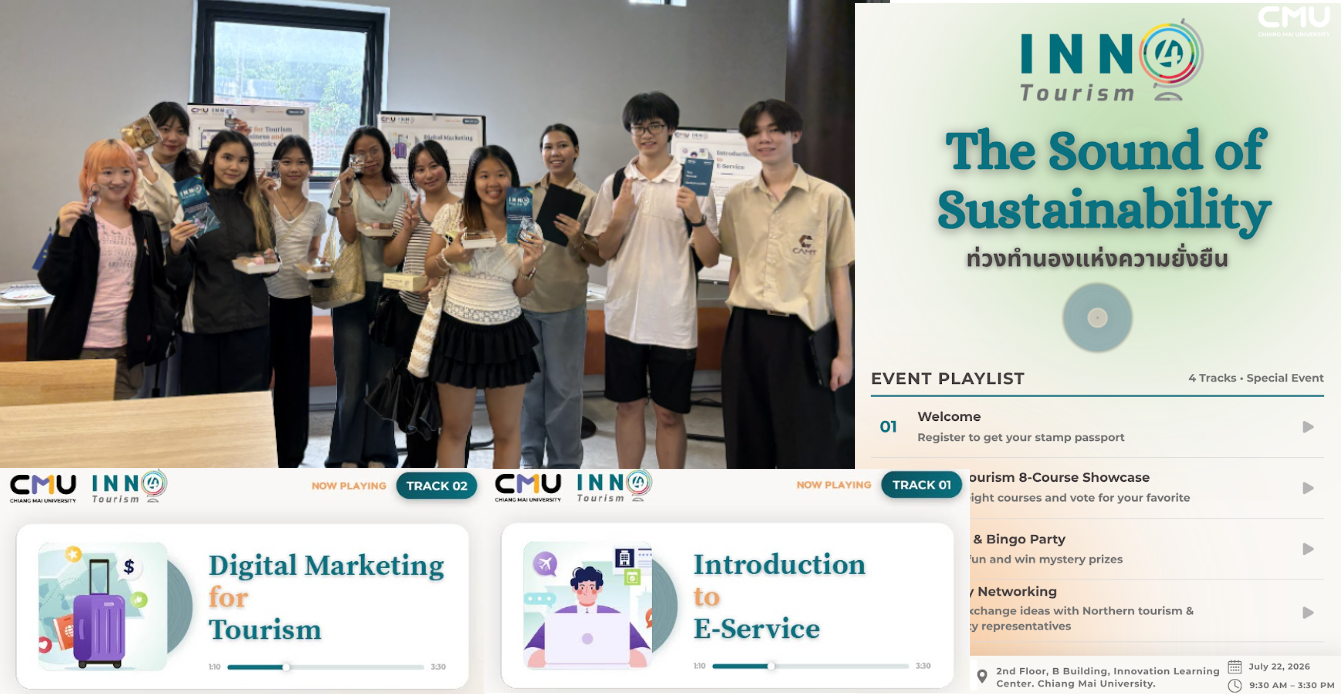
INNO4Tourism info day Brings Sustainability to Life at CMU with “The Sound of Sustainability”
15 Jul 2026
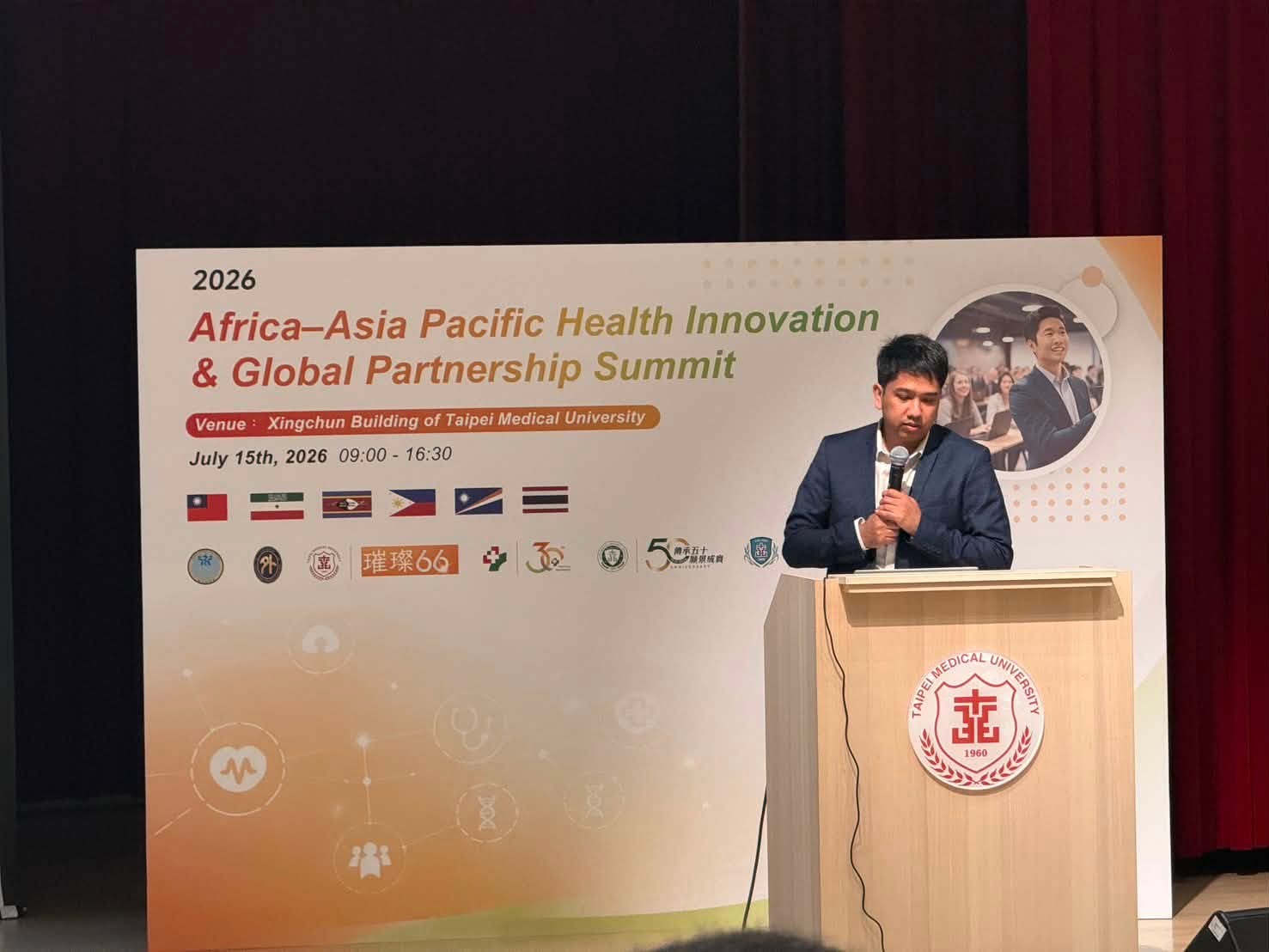
Taipei Medical University Shuang Ho Hospital Hosts Africa–Asia Pacific Health Innovation & Global Partnership Summit
19 May 2026
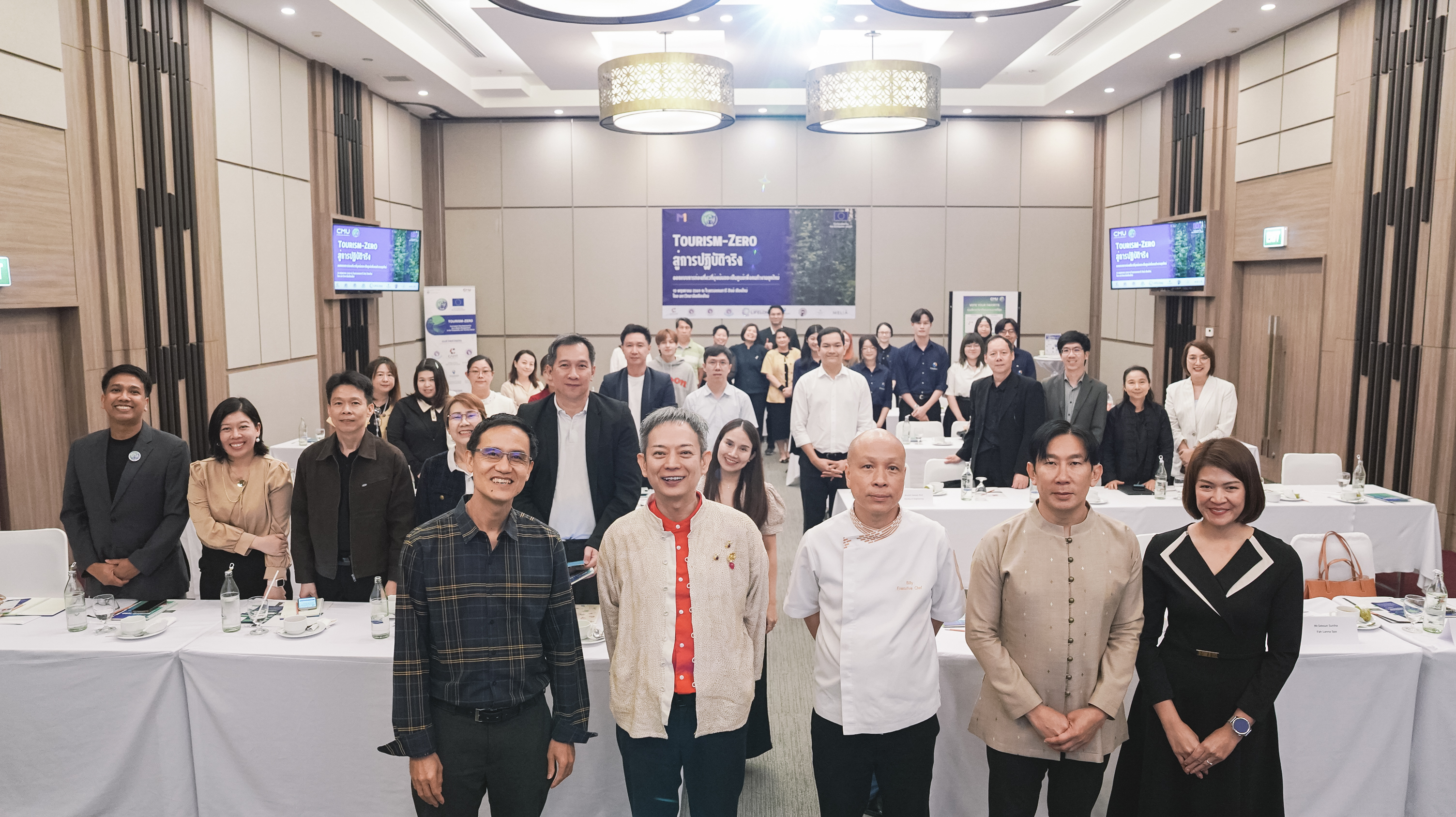
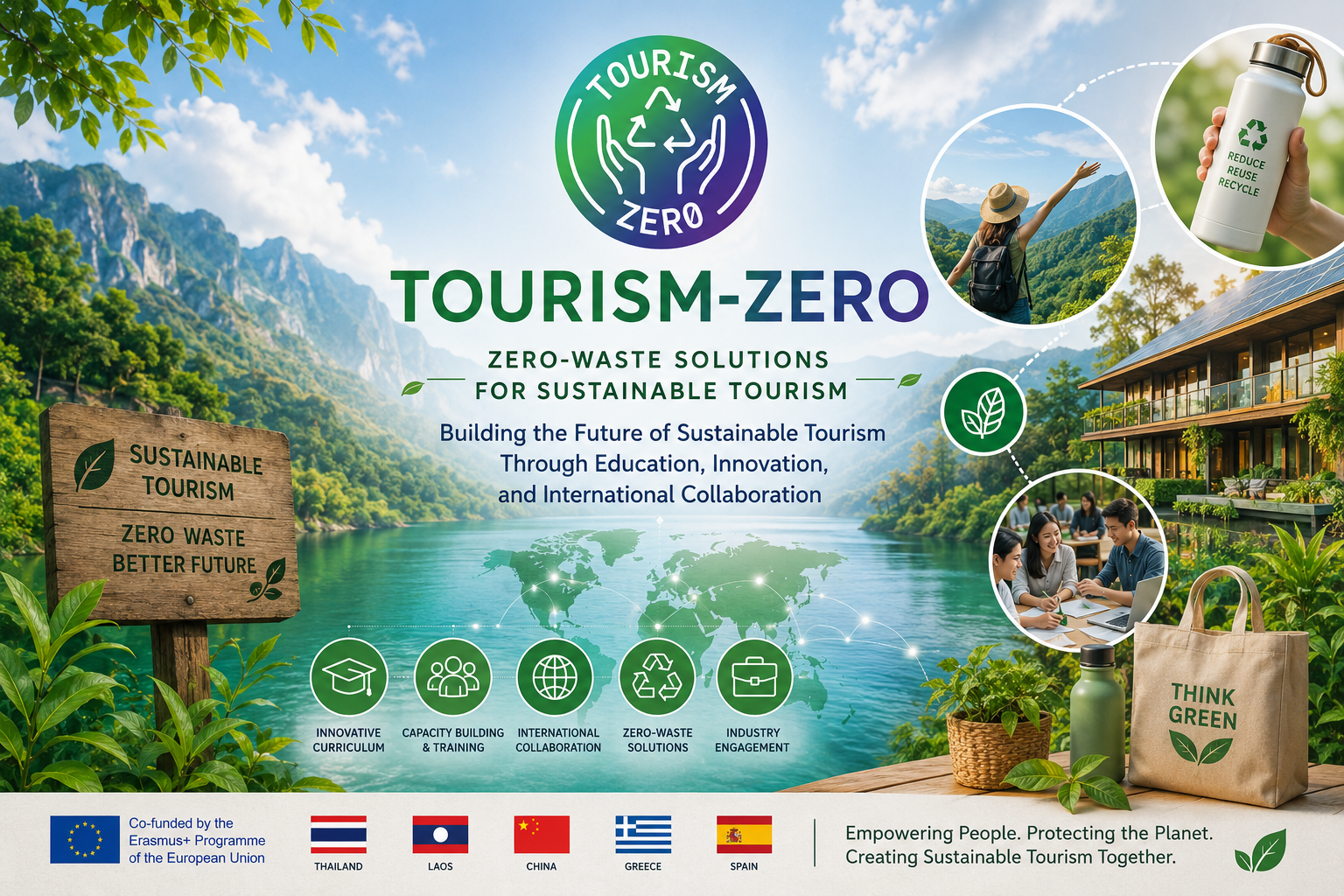
Chiang Mai University Hosts “Tourism-Zero in Action” Forum to Advance Zero-Waste Tourism and Future Workforce Development
06 May 2026
Transforming Tourism Education Through Zero-Waste Innovation: Inside the Tourism-Zero Project
30 Jan 2026
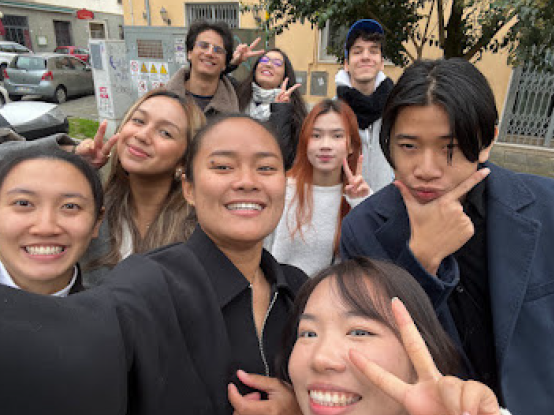
Inspiring Global Learning EU Credit Mobility : Innovative Lab Students on Their Exchange Journey in University of Florence, Italy
23 Jan 2026
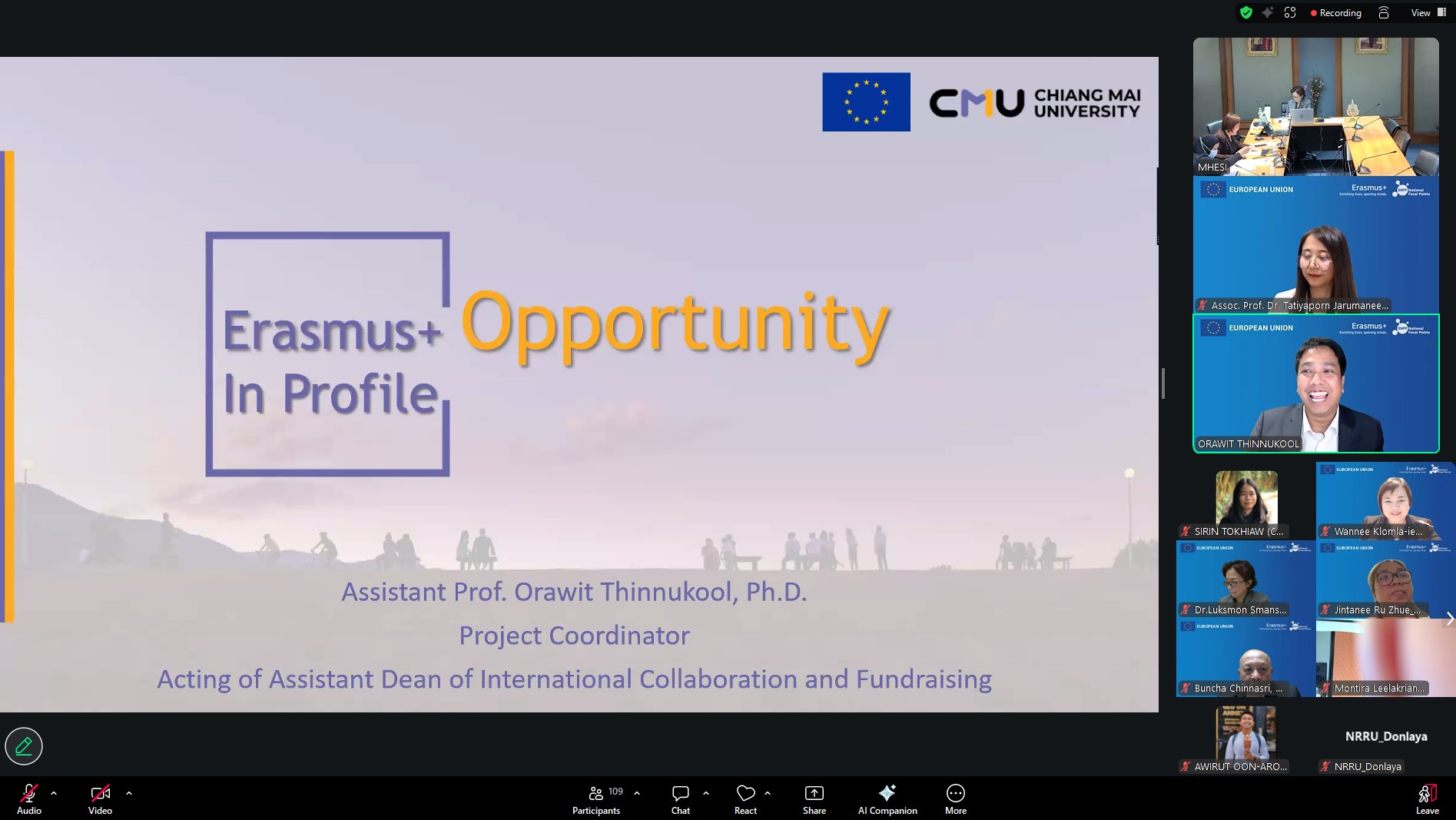
Erasmus+ Information Day 2026 Thailand
ANNOUNCEMENTS
-
22
Oct 2026
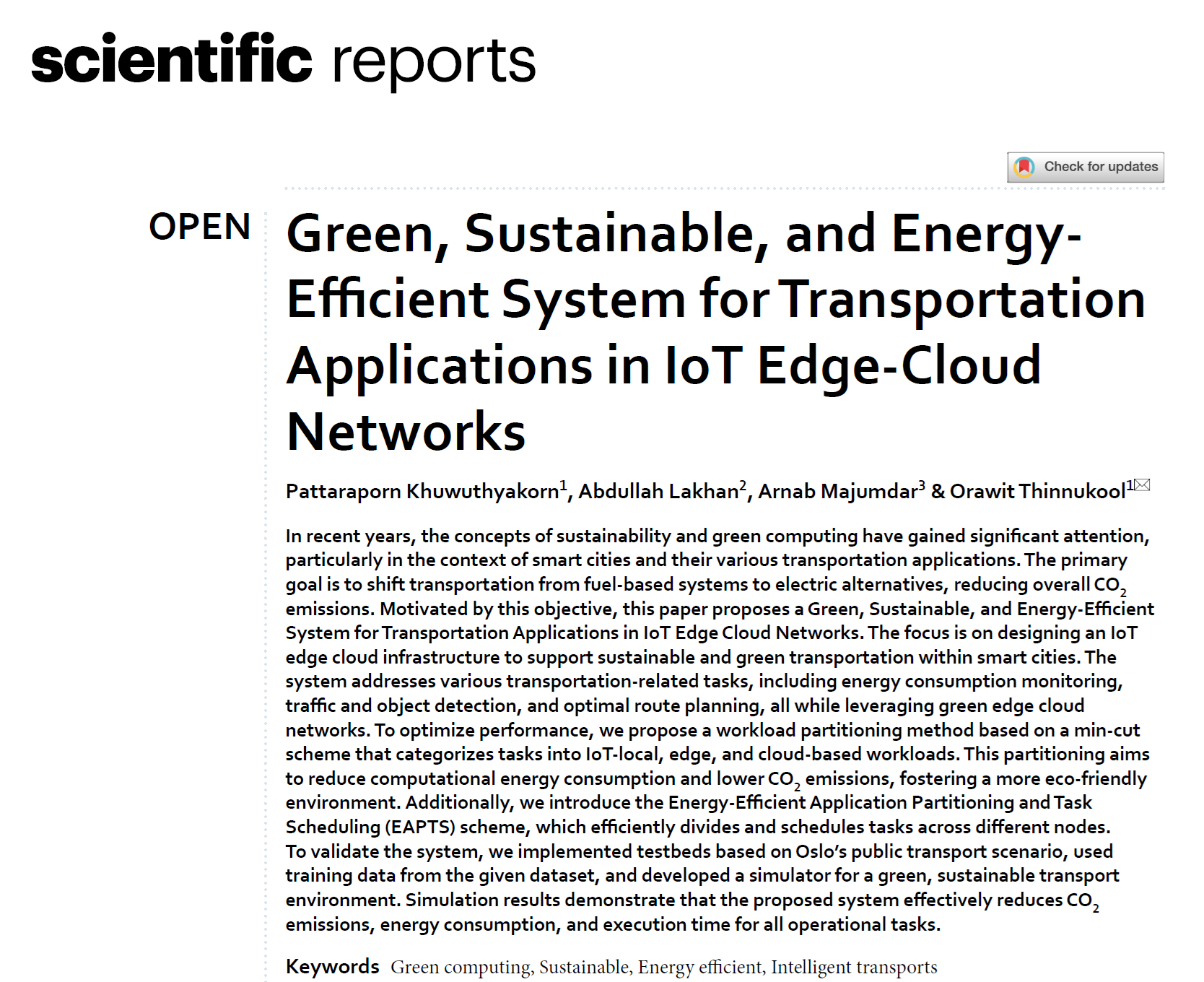
Congratulations to the research team that has been accepted to Scientific Reports
Green, Sustainable, and Energy-Efficient System for Transportation Applications in IoT Edge-Cloud NetworksIn recent years, the concepts of sustainability and green computing have gained significant attention, particularly in the context of smart cities and their various transportation applications. The primary goal is to shift transportation from fuel-based systems to electric alternatives, reducing overall CO2 emissions. Motivated by this objective, this paper proposes a Green, Sustainable, and Energy-Efficient System for Transportation Applications in IoT Edge Cloud Networks.The focus is on designing an IoT edge cloud infrastructure to support sustainable and green transportation within smart cities. The system addresses various transportation-related tasks, including energy consumption monitoring, traffic and object detection, and optimal route planning, all while leveraging green edge cloud networks. To optimize performance, we propose a workload partitioning method based on a min-cut scheme that categorizes tasks into IoT-local, edge, and cloud-based workloads. This partitioning aims to reduce computational energy consumption and lower CO2 emissions, fostering a more eco-friendly environment. Additionally, we introduce the Energy-Efficient Application Partitioning and Task Scheduling (EAPTS) scheme, which efficiently divides and schedules tasks across different nodes. To validate the system, we implemented testbeds based on Oslo’s public transport scenario, used training data from the given dataset, and developed a simulator for a green, sustainable transport environment. Simulation results demonstrate that the proposed system effectively reduces CO2 emissions, energy consumption, and execution time for all operational tasks.https://www.nature.com/articles/s41598-026-53194-z?utm_source=rct_congratemailt&utm_medium=email&utm_campaign=oa_20261023&utm_content=10.1038/s41598-026-53194-z
-
15
Aug 2025
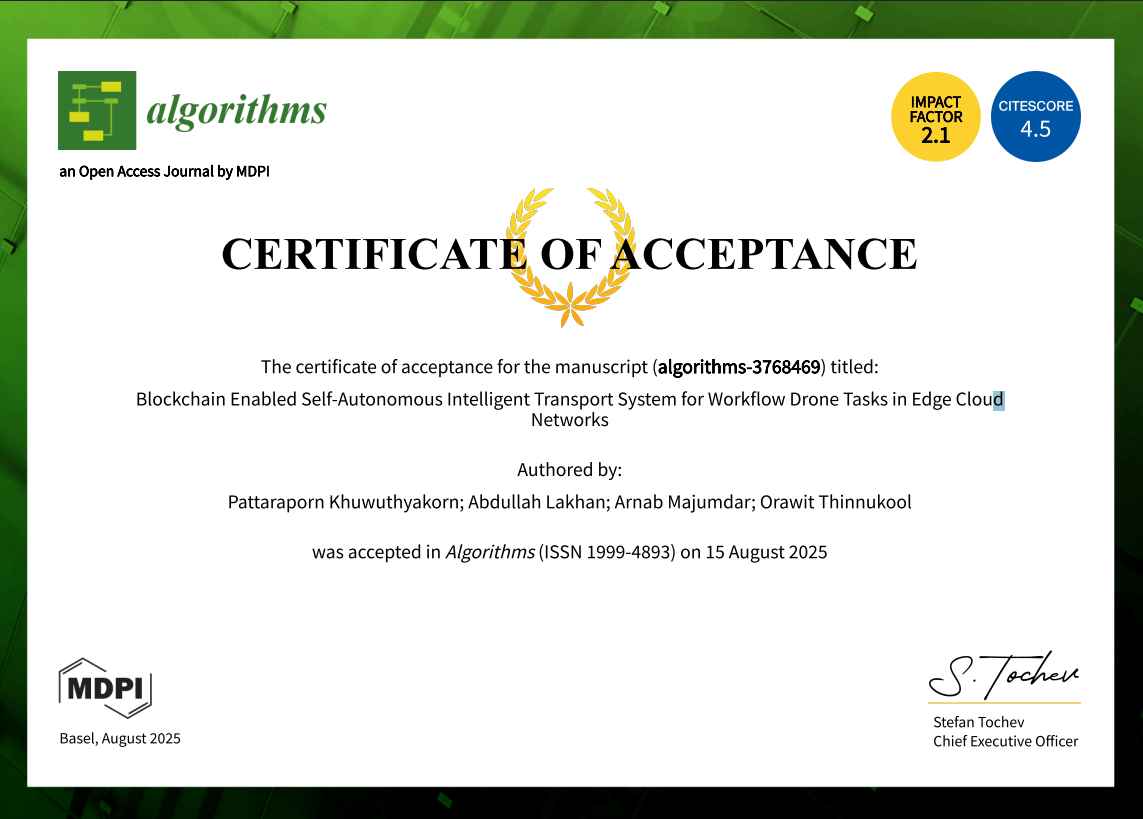
Congratulations to the research team that has been accepted to publish an international academic article in the Journal of Algorithms.
Congratulations to the research team that has been accepted to publish research tittled " Blockchain Enabled Self-Autonomous Intelligent Transport System for Workflow Drone Tasks in Edge Cloud Networks " to international academic article in the Journal of Algorithms. This research work is a collaboration between the Mobile Technology Lab at School of Economics, Innovations and Technology, Kristiania University College and the Innovative Research and Computational Science Lab at the College of Arts, Media, and Technology, Chiang Mai University. This fund as part of the 2024 International Research Fellowship of Chiang Mai University
-
19
May 2025
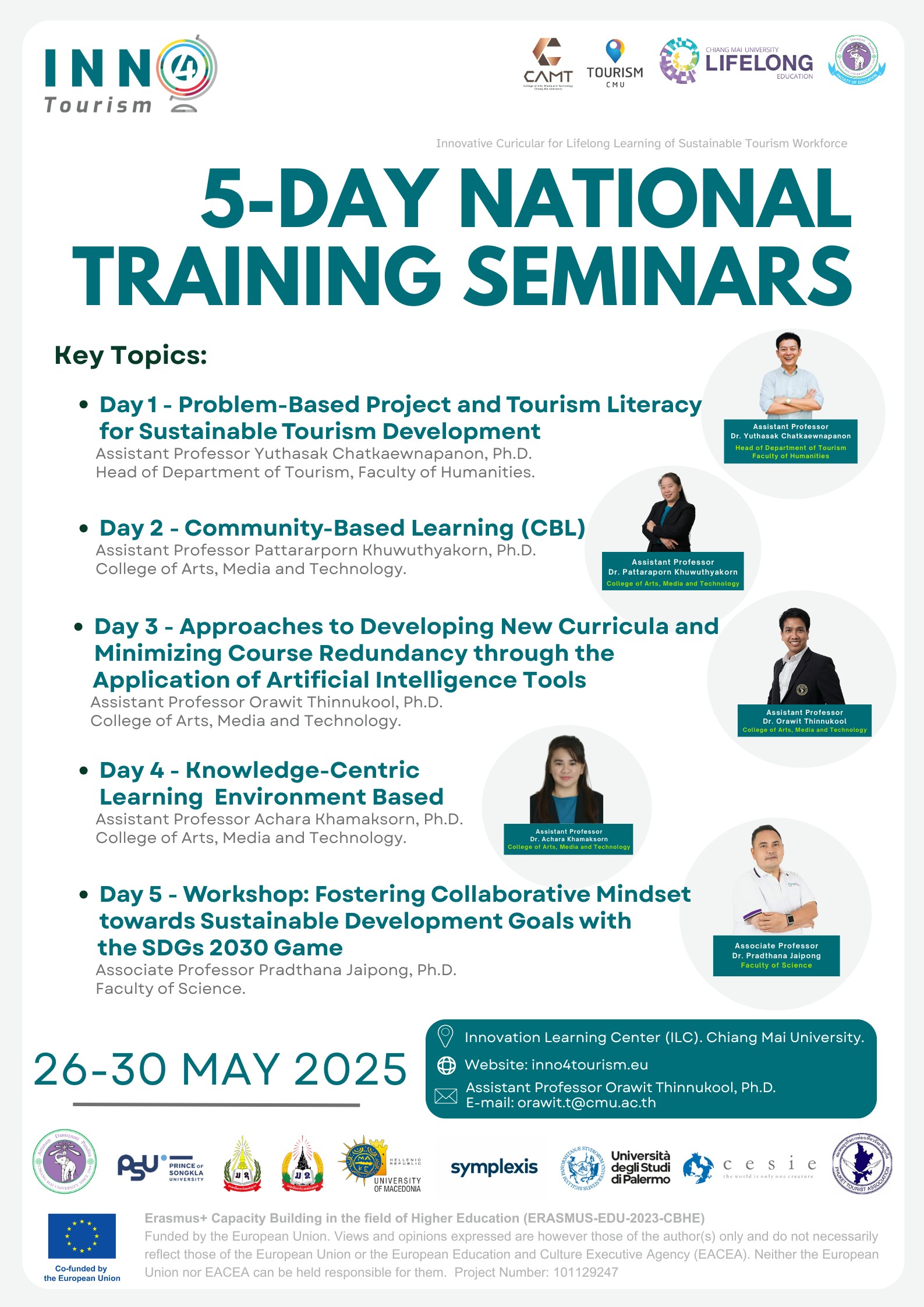
Call for Participations in the 5-Day National Training Seminars
โครงการ INNO4Tourism สนับสนุนโดยสหภาพยุโรป (European Union) และวิทยาลัยศิลปะ สื่อ และเทคโนโลยี ขอเชิญบุคลากรมหาวิทยาลัยเชียงใหม่ร่วมกิจกรรมอบรมสัมมนา "5-Day National Training Seminars"? วันที่ 26-30 พฤษภาคม 2568? เวลา 10:00 - 12:00 น.?️ สถานที่ ณ ห้อง ILC-C201 ชั้น 2 ตึก C อาคารศูนย์นวัตกรรมและการเรียนรู้ มหาวิทยาลัยเชียงใหม่ ☎️ ติดต่อสอบถามรายละเอียดเพิ่มเติม โทร 083-949-1914? ลงทะเบียนเข้าร่วมกิจกรรมได้ที่ ? https://forms.gle/zMwHw2d4TeceFVqh8
-
06
May 2025
Invitation to participate in the Erasmus+ Programme Exchange Project
UNIVERSITY OF FLORENCEErasmus+ Programme – Learning Mobility for Higher Education Students and Staff Project Code: 2023-1-IT02-KA171-HED-000130720Participated in the activity for 5 days, with 2 days of travel, total 7 days. The period between October 27, 2025 to October 31, 2025 CONDITIONS AND SUPPORTING DOCUMENTS FOR APPLICATION.The applicant possesses an English proficiency level of B2 or higher, according to the CEFR (Common European Framework of Reference for Languages).The applicant is academically proficient, with able to communicate and teach in English at a good to excellent level. Experienced in conducting research, recipient of external research grants, and has academic publications.The applicant has a high level of proficiency in English communication.The applicant has demonstrated a performance level ranging from good to excellent.Never received a scholarship in an international exchange program before.Received external research funding As project leader for the past 5 years.The applicant’s introduction document should be written in English, with a minimum of 1,000 words.Name - Last Name / DepartmentReason for participation / ExpectationsSkills / ExpertiseWork ExperienceAwards received (if any)Performance evaluation results (Year 2023)APPLY NOW UNTIL? 14 July 2025 ? 4:30 p.m.Sending Email to orawit.t@cmu.ac.th For more details Asst.Prof.Orawit Thinnukool, Ph.D.Staff can afford to: Visa fees, Travel insurance costs, Travel itinerary change fees, Excess baggage charges (if exceeding airline limits), Language preparation (if any).
-
05
Feb 2025
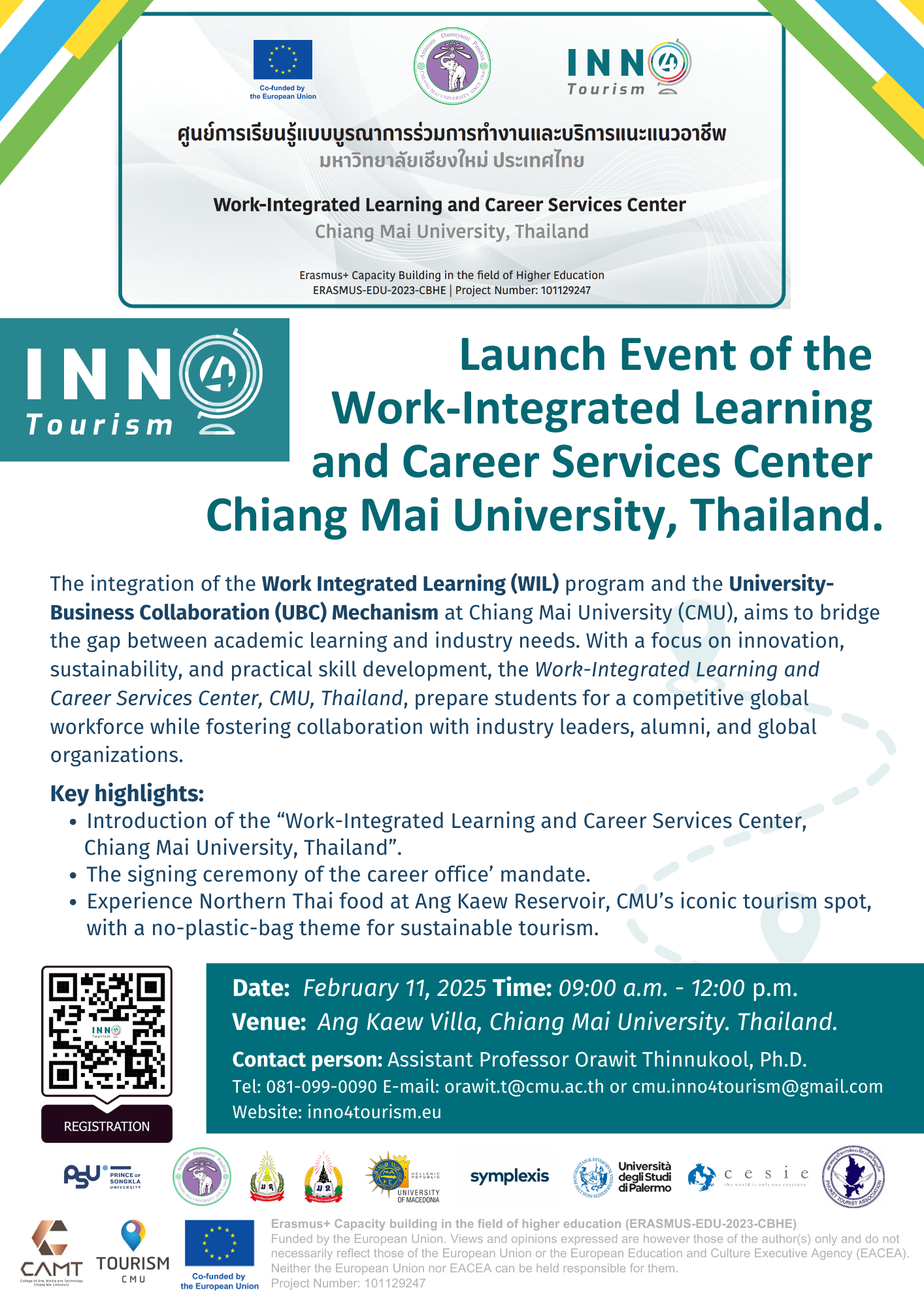
Work-Integrated Learning and Career Services Center Chiang Mai University, Thailand Erasmus+ Capacity Building in the field of Higher Education ERASMUS-EDU-2023-CBHE | Project Number: 101129247
Launch Event of the Work-Integrated Learning and Career Services Center Chiang Mai University, Thailand.The integration of the Work Integrated Learning (WIL) program and the University-Business Collaboration (UBC) Mechanism at Chiang Mai University (CMU) aims to bridge the gap between academic learning and industry needs. With a focus on innovation, sustainability, and practical skill development, the Work-Integrated Learning and Career Services Center, CMU, Thailand, prepares students for a competitive global workforce while fostering collaboration with industry leaders, alumni, and global organizations.Key highlights:Introduction of the “Work-Integrated Learning and Career Services Center, Chiang Mai University, Thailand”.The signing ceremony of the career office’s mandate.Experience Northern Thai food at Ang Kaew Reservoir, CMU’s iconic tourism spot, with a no-plastic-bag theme for sustainable tourism.Event Details:? Date: February 11, 2025⏰ Time: 09:00 a.m. - 12:00 p.m.? Venue: Ang Kaew Villa, Chiang Mai University, ThailandContact Information:? Contact person: Assistant Professor Orawit Thinnukool, Ph.D.? Tel: 053-920299? E-mail: orawit.t@cmu.ac.th | cmu.inno4tourism@gmail.com? Website: inno4tourism.eu
-
20
Sep 2024
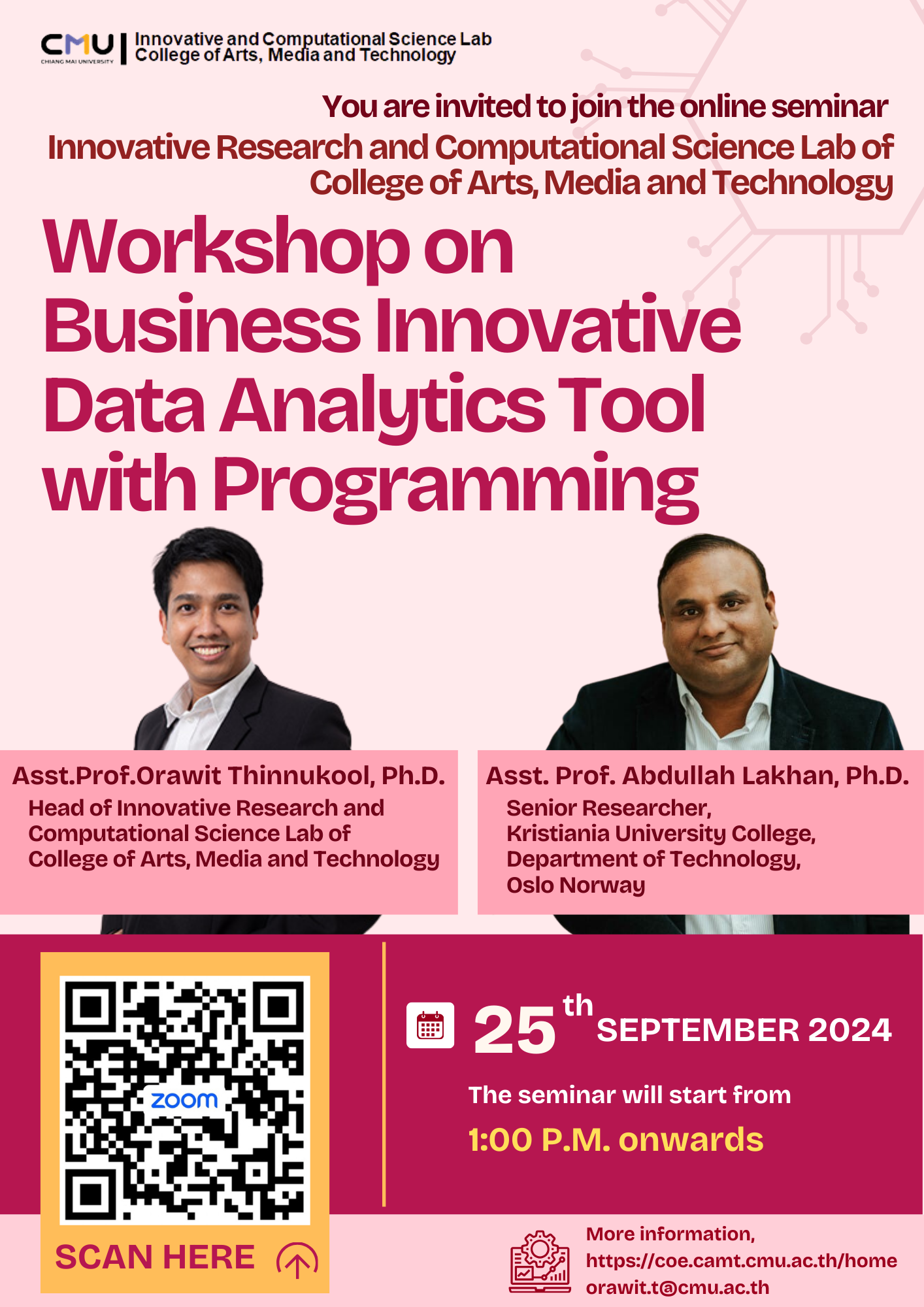
Workshop on Business Innovation Data Analytics Tool with Programming
You are invited to join upcoming Event of Innovative Research and Computational Science Lab of College of Arts, Media and Technology,Workshop on Business Innovation Data Analytics Tool with Programming 25 September 2024 13.00
-
07
Aug 2024
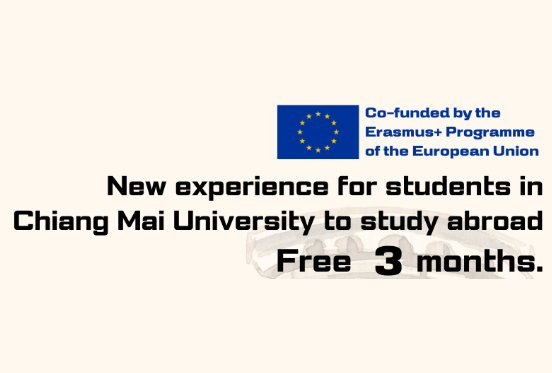
Learning Mobility for higher education student and staff Erasmus Mundus + Capacity Building Program KA171
This prestigious program offers a unique opportunity for selected students to travel and study for a short period at the renowned University of Forence in Italy.The selection for the interview stage has been based on the following criteria (order by priory): 1. Lack of opportunities in life 2. Academic excellence 3. Motivation and commitment to the field of study4. Potential to contribute to the objectives of the Erasmus Mundus + Capacity Building Program5. Proficiency in English 2.png 2.14 MB
-
25
Mar 2024
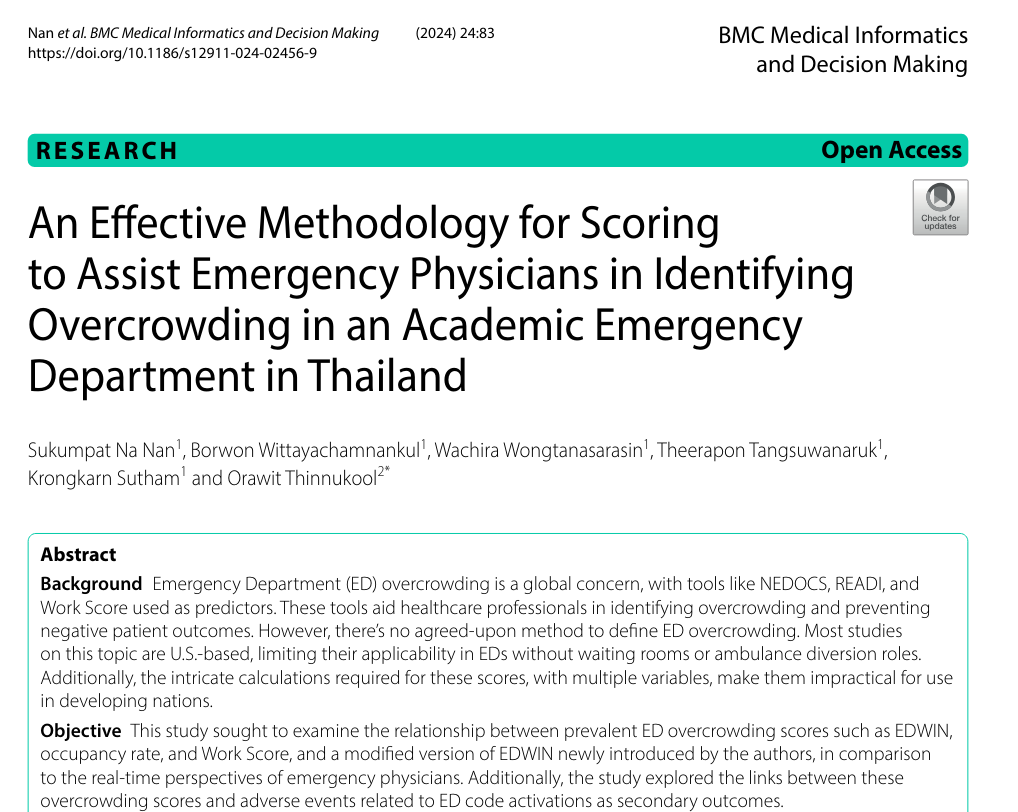
New paper was published to BMC
An Effective Methodology for Scoring to Assist Emergency Physicians in Identifying Overcrowding in an Academic Emergency Department in Thailand Emergency Department (ED) overcrowding is recognized worldwide, with several tools like NEDOCS, READI, and Work Score employed to predict and manage the issue. Despite their utility, there's no universally accepted definition or method to measure ED overcrowding. This limitation is exacerbated by the geographic specificity of most studies and the impracticality of the complex scoring systems for developing countries.This study aimed to assess the effectiveness of existing overcrowding scores (EDWIN, occupancy rate, Work Score) and a modified EDWIN version introduced by the researchers. It focused on how these scores correlate with emergency physicians' real-time assessments of overcrowding and their relationship with adverse events during ED code activations.Through a correlational study analyzing 459 periods, it was found that the Emergency Department Overcrowding Rate (EDOR) had the highest correlation with physicians' perceptions of overcrowding and was the only score significantly linked to adverse events. The study concludes that EDOR is most aligned with emergency physicians' views on overcrowding and suggests that these perceptions may indicate the potential for adverse events. Despite the challenges in measuring overcrowding, the study highlights the importance of such scores for predicting and potentially preventing negative outcomes in EDs.https://bmcmedinformdecismak.biomedcentral.com/articles/10.1186/s12911-024-02456-9
-
24
Jul 2023
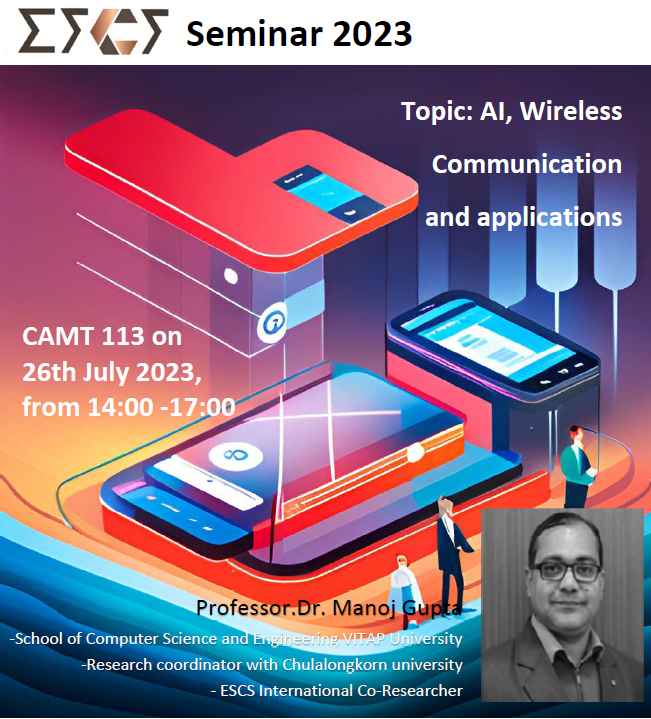
ESCS: Seminar 2023
We are excited to announce an upcoming seminar on "AI, Wireless Communication, and Applications" by renowned expert, Professor Dr. Manoj Gupta, from the School of Computer Science and Engineering at VITAP University.Professor Dr. Manoj Gupta is a distinguished scholar in the field of AI and wireless communication, and his insights have been influential in numerous groundbreaking research projects. His vast experience and expertise make this seminar a must-attend event for anyone interested in the latest developments and applications in these fields.Please note that there is no reservation required to attend the seminar. Seats will be available on a first-come, first-served basis. We encourage all interested students, faculty, and staff to arrive early to secure their spot.Don't miss this exceptional opportunity to learn from one of the leading minds in the AI and wireless communication,. The seminar promises to be an enlightening and thought-provoking experience for all attendees.Details of the seminar:Topic: AI, Wireless Communication, and ApplicationsSpeaker: Professor Dr. Manoj Gupta from School of Computer Science and Engineering, VITAP University-Research Coordinator with Chulalongkorn University- ESCS International Co-ResearcherDate: 26th July 2023Time: 14:00 - 17:00Venue: CAMT 113
-
30
Jun 2023
Successful publication of the collaborative research between Kristiania University and the Embedded System and Computational Science lab
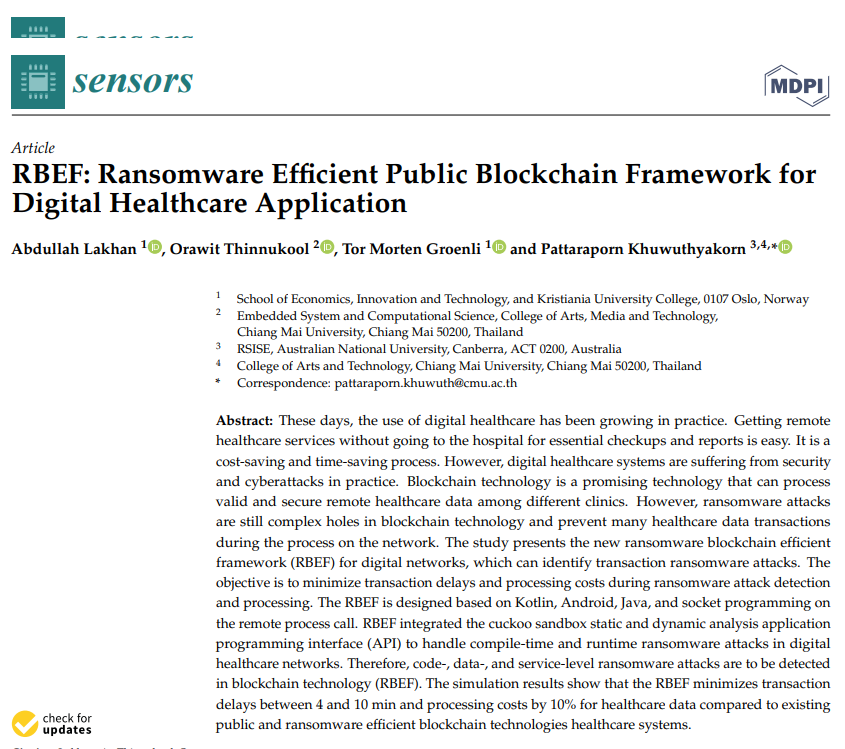
We are pleased to announce the successful publication of the collaborative research between Kristiania University and the Embedded System and Computational Science lab in the prestigious Sensors Journal. The publication is titled "RBEF: Ransomware Efficient Public Blockchain Framework for Digital Healthcare Applications."This research project received support from the NSRF (National Science and Research Foundation) through the Program Management Unit for Human Resources and Institutional Development, Research and Innovation, under the grant number B16F640189. Additional funding was provided by the research group of Embedded System and Computational Science at Chiang Mai University, under the grant number R000029859, as well as by Kristiania University in the year 2022.

What drives us
Our Lab Mission
Explore:
- Novelty research
- Innovation
- New Era Technology's
Connect :
- Funding opportunity
- Word-class collaboration
- Effective research network
Expansion:
- Research and innovation
- Societal impact (CMU SDGs, CAMT SO)
- Students and Team
ACHIEVEMENTS
Our Impact in Numbers








GLOBAL COLLABORATION
- Thailand 32 Research
- United Kingdom 16 Research
- Norway 12 Research
- Pakistan 5 Research
- India 4 Research
- Malaysia 2 Research
- Australia 1 Research
- China 1 Research
- South Korea 1 Research
- Italy 1 Research
RESEARCH AREAS

Informatics
We specialize in analyzing data with statistical models and using new artificial intelligence techniques.

Healthcare mobile application
Mobile application development is a key mission of this research group, for which we have successfully obtained external funding to develop technologies for use in various contexts, taking into account their efficiency and usability in social contexts.

Internet of Things
Our research in the IoT enables healthcare professionals to be more watchful and connect with the patients proactively and including the development and research related to public transportation systems. And to assess the cost-effectiveness and security performance of blockchain systems.

Innovative knowledge science
We have expertise and standards related to knowledge management for governance of standards to develop and design relevant innovations in a social context.

Innovative Tourism
We use our technology expertise to create innovations for business and tourism, including skills development and curriculum design innovations relevant to the changing trends in the tourism industry in collaboration with leading universities and experts.